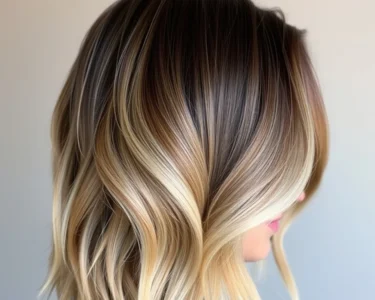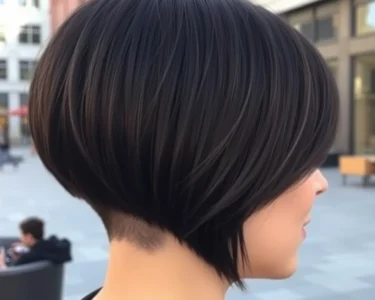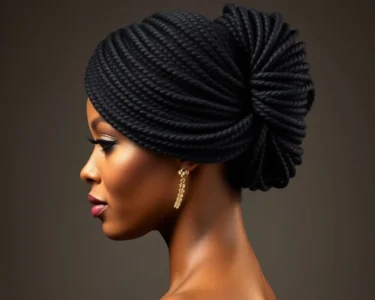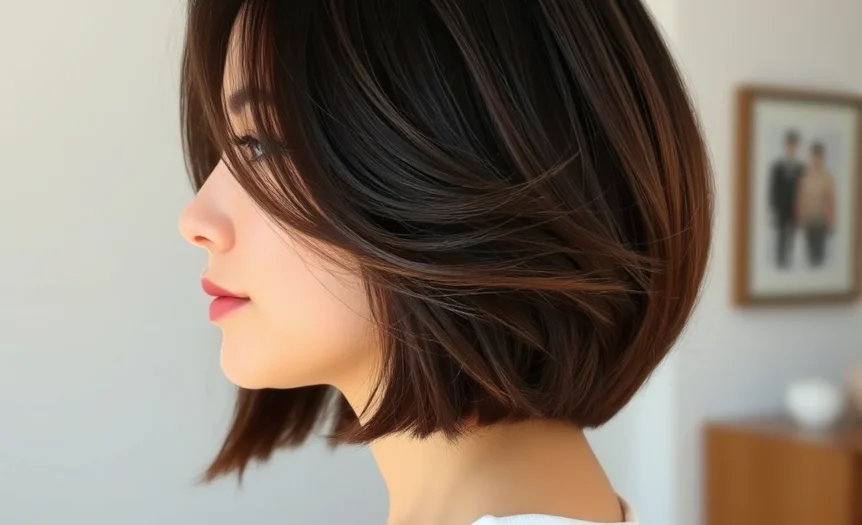
Introduction
Around 50% of women say their biggest hair frustration is lack of volume, and for many, the problem starts with the wrong cut. Finding the best cuts for fine hair is not just about aesthetics. The right shape can make strands look twice as full without a single product.
Before picking a style, it helps to know one thing most people get wrong. Fine hair and thin hair are not the same. Fine hair refers to the diameter of each individual strand. Thin hair refers to how many strands you have per square inch of scalp. You can have fine hair that is also dense, or thin hair with thicker strands. The distinction matters because it changes which cut will actually work for you.
That is where structure and shape come in. A well-placed blunt line or strategic face-framing layers can create the illusion of density that no dry shampoo alone can fake. This guide covers 21 volumizing haircut ideas that genuinely deliver, matched to face shape, lifestyle, and maintenance reality.
Blunt Bob Cut
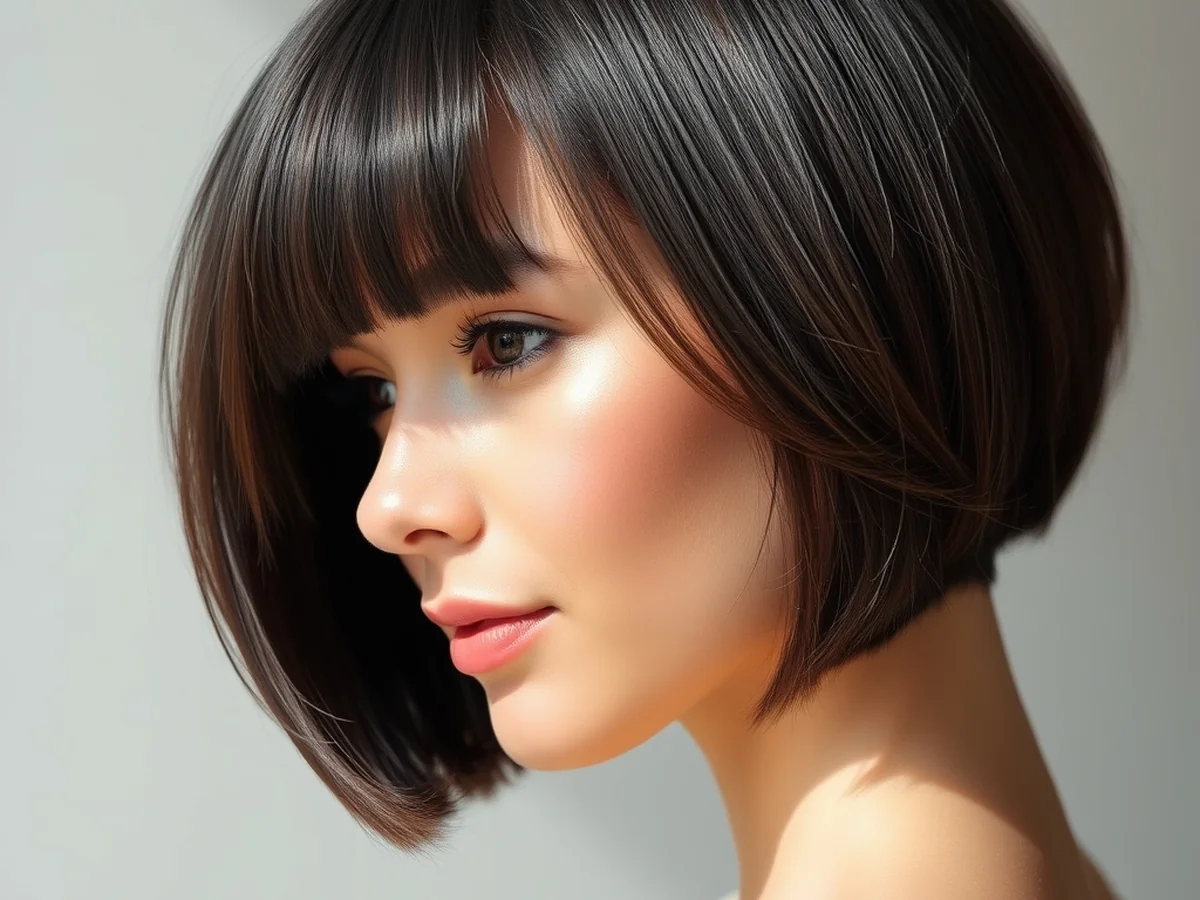
If your hair feels limp and see-through at the ends, a sharp blunt bob is one of the best cuts for fine hair to create an instant illusion of density. This style removes the wispy, tapered ends that often make hair look sparse, creating a clean and heavy baseline that hangs perfectly straight. It is a fantastic choice if you have naturally straight hair, as the lack of layers allows the natural weight to sit flat and sleek without needing constant styling.
I have found that keeping the length right at the chin or slightly longer works best to maximize the appearance of thickness. You should plan on a trim every 6 weeks to keep those ends looking crisp. A dime-sized amount of volumizing mousse applied to damp hair before using a round brush will keep this look polished and full all day.
Classic Pixie Style
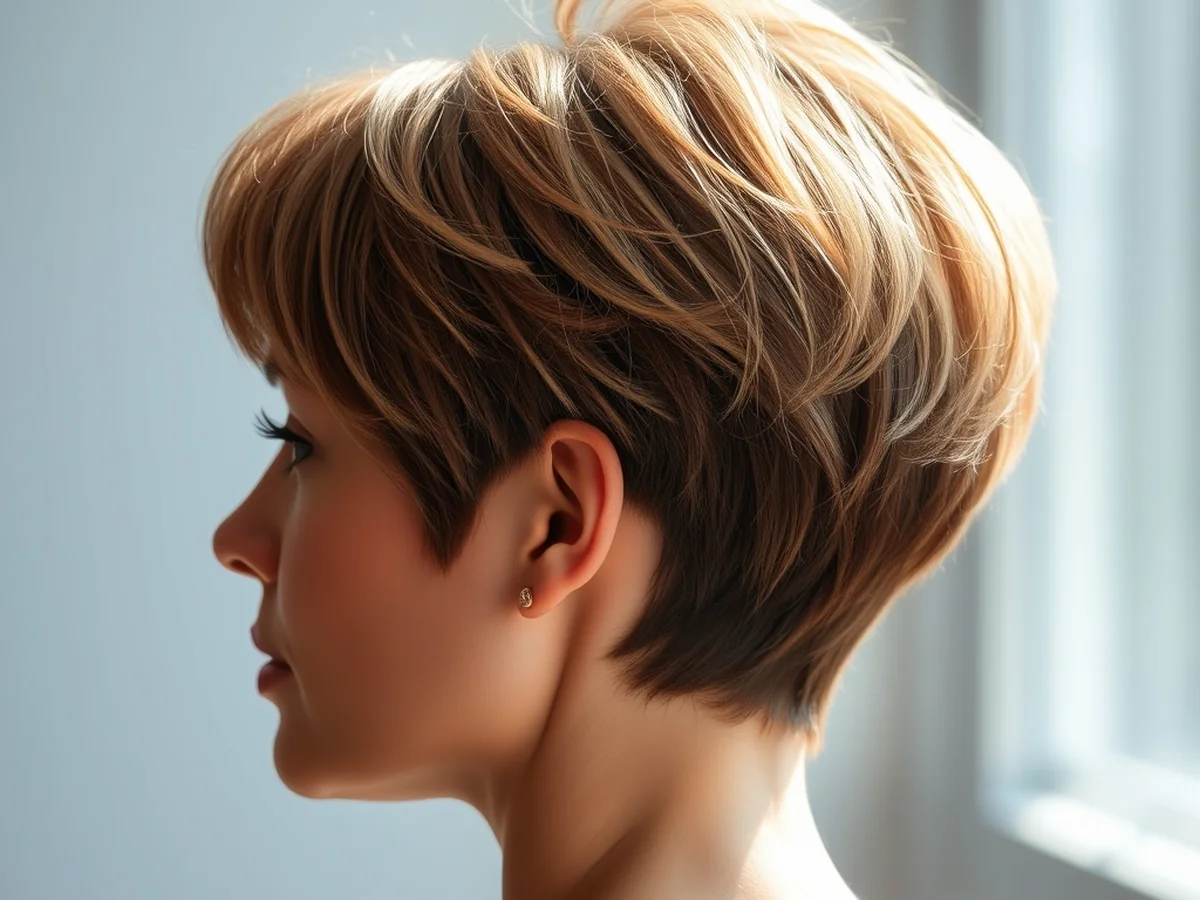
Have you ever noticed how fine hair seems to double in body the shorter it gets? The pixie cut for fine hair works exactly that way. Removing length removes weight, and lighter hair springs up from the root instead of lying flat against your scalp. That lift is built into the cut itself, not borrowed from a styling product.
Source: reddit.com
Your stylist will remove bulk at the back and sides while keeping a little length on top, usually around 2 to 3 inches. That contrast creates visible volume right where you need it most. It’s one of the best cuts for fine hair because the shape does the heavy lifting every single day.
- Daily routine stays simple , a fingertip of volumizing mousse and a quick blow-dry takes under five minutes
- Trim every 6 weeks to keep the shape crisp and the volume effect working
Textured Bob Cut
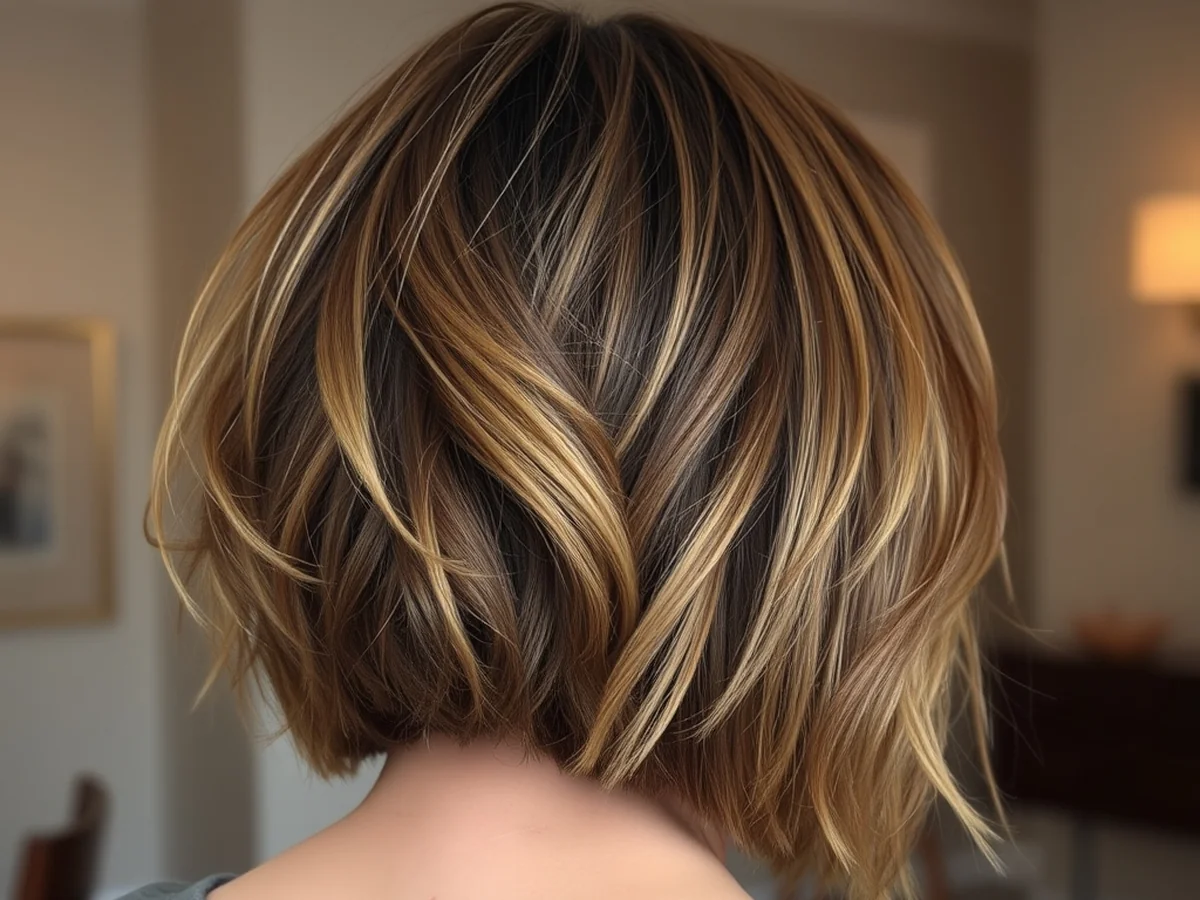
Many people assume short hair looks flat, but a textured bob is one of the best cuts for fine hair because it creates an illusion of fullness. Unlike a blunt bob that can emphasize lack of density, adding irregular length to the ends prevents the hair from falling into a heavy, limp line. This style relies on movement to hide the lack of individual strand thickness.
Source: instyle.com
You can achieve this look by asking your stylist for subtle point cutting at the bottom. To keep the shape defined, apply a quality texturizing spray throughout your damp hair before blow drying. I suggest focusing on the mid-lengths to boost your overall hair volume. A single 5-ounce bottle of spray usually lasts about three months. This low-maintenance option remains a top choice for anyone wanting a chic, bouncy silhouette.
Collarbone Length Lob
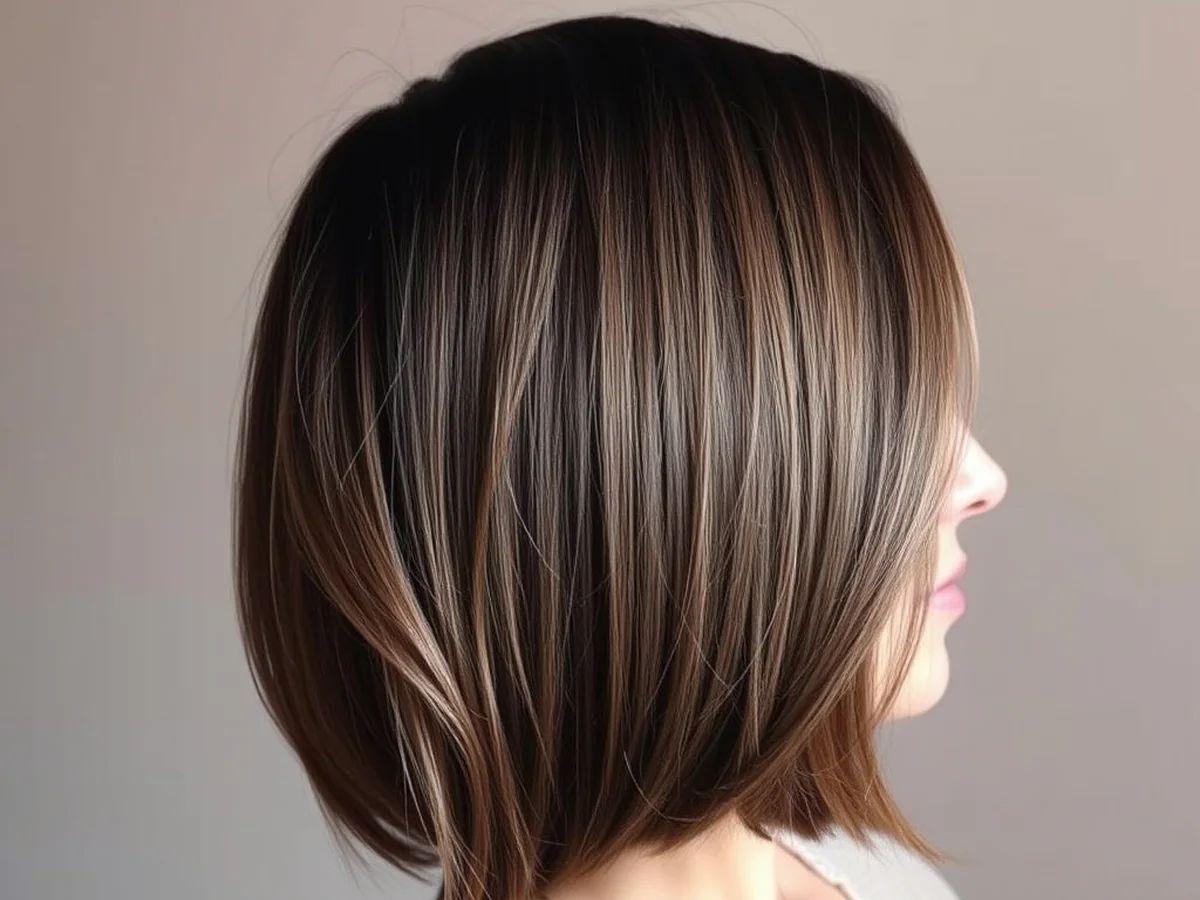
I have noticed that finding a style that balances length and fullness is the biggest challenge for those of us with fragile strands. A collarbone length lob is one of the best cuts for fine hair because it hits exactly at the shoulder to provide the illusion of weight without dragging your face down. This specific length is widely considered one of the most versatile styling options available. It works beautifully for round faces by drawing the eye downward and elongating your neck. You can easily wear this cut straight with a round brush for a polished look or add loose waves for extra movement. I recommend visiting your stylist every 8 weeks to keep the ends sharp. Using a small amount of volumizing mousse before blow drying helps maintain that airy, full appearance throughout the entire day.
Face Framing Layers

Ask your stylist to keep layers starting at the chin to ensure your hair maintains its natural density. This technique is one of the best cuts for fine hair because it directs focus toward your eyes instead of the ends. By removing weight, you prevent limp strands from dragging down your overall look. These layers also work to soften jawline angles, which is helpful if you have a square or angular face shape. I suggest keeping the longest layer no more than 2 inches past your collarbone to avoid making the ends look wispy or sparse. Using a small amount of volumizing mousse before you blow dry with a round brush will help these pieces hold their shape throughout the day. It is a simple way to create movement without sacrificing the appearance of healthy, full ends.
Short Shag Cut
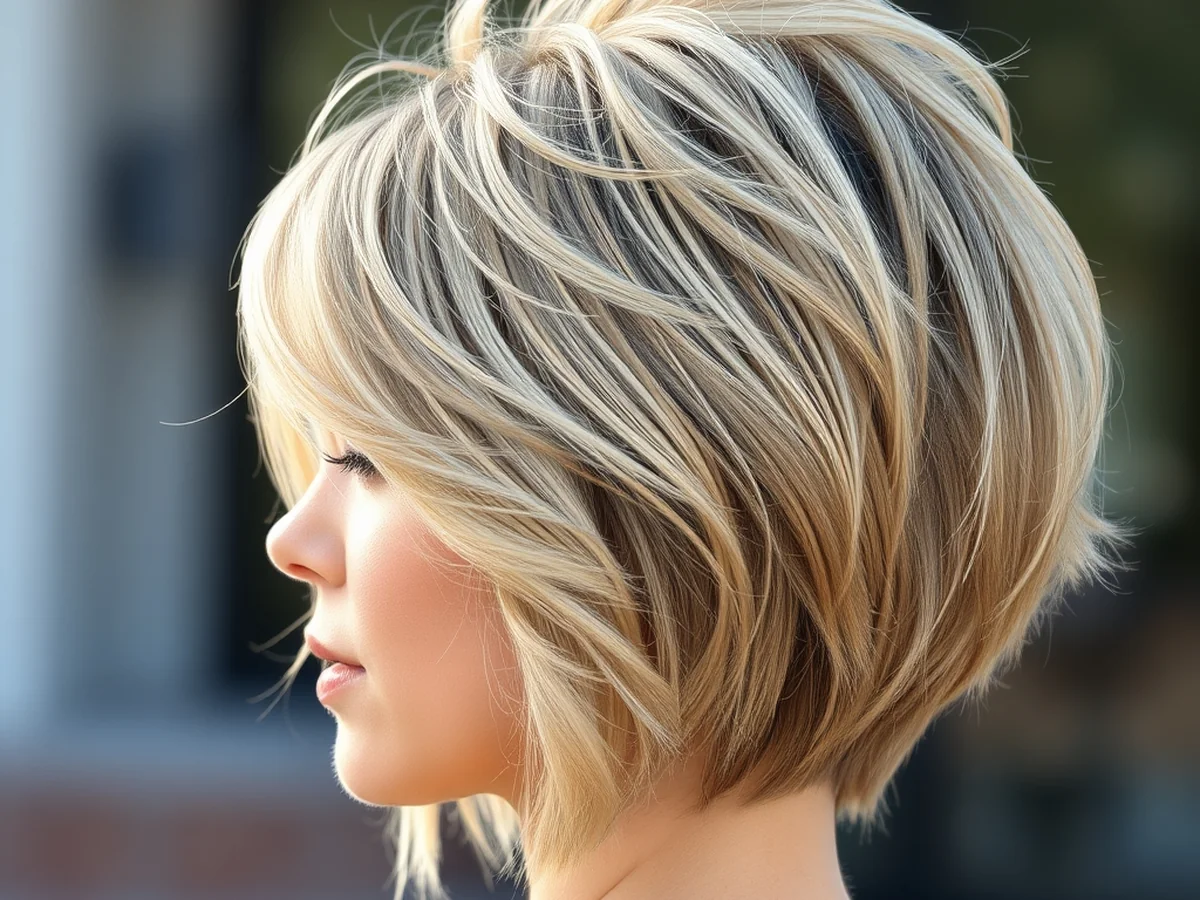
Going into 2026, the short shag is one of the best cuts for fine hair right now, and salons are genuinely busy with requests for it. The cut works because it removes bulk at the ends and redistributes weight through the mid-lengths, which is exactly what flat, fine hair needs.
Face-framing layers throughout the shag create the illusion of density without making fine strands look stringy. Ask your stylist for layers starting about 3 inches from the root so the top section still has lift.
- Natural waves respond well to this cut because the layers encourage texture without heavy product
- A light texturizing spray is enough to define the shape on wash day
- Trims every 7 to 8 weeks keep the volume effect from collapsing
If you air-dry most mornings, this cut still looks intentional and full without a round brush.
Italian Bob Style
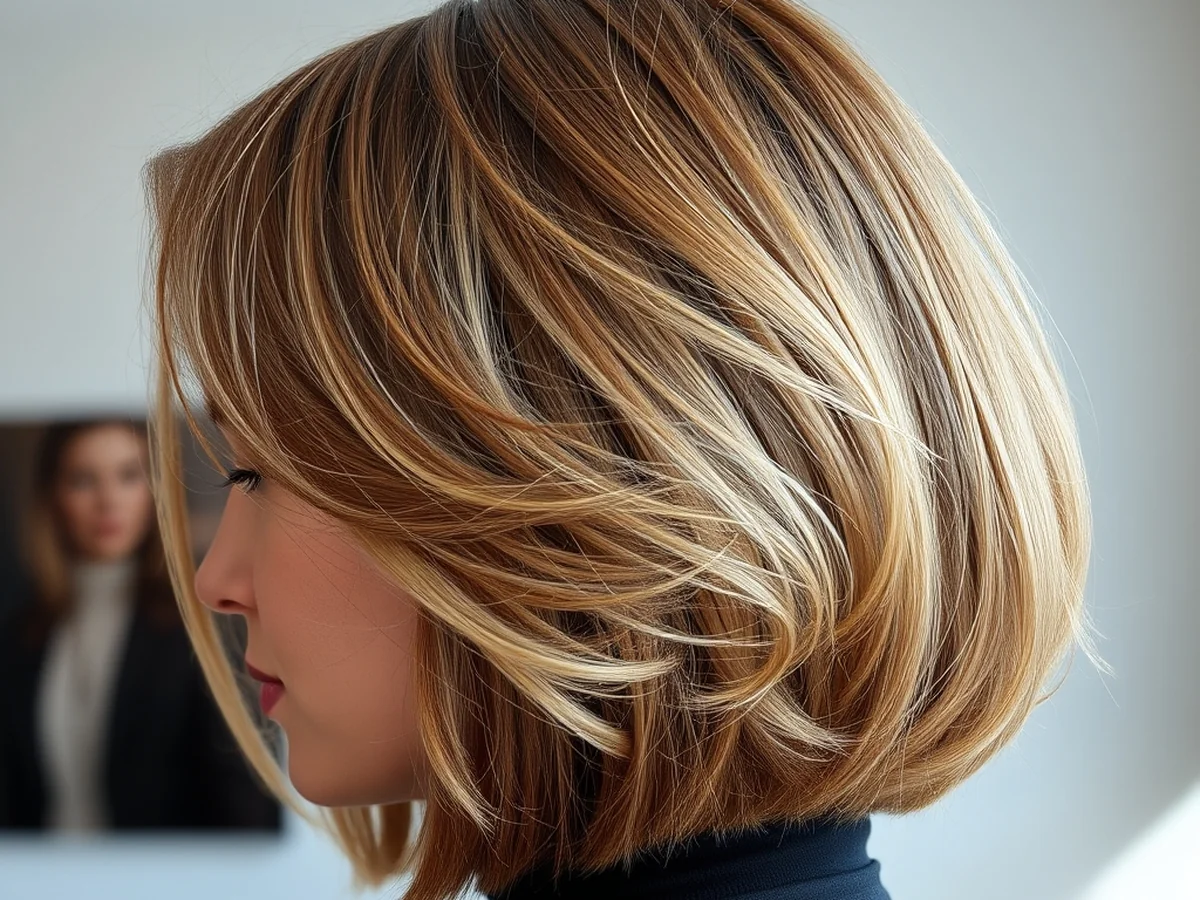
A standard blunt bob at a salon runs around $65 to $90, but the Italian bob gives you noticeably more volume for the same price point. That’s a real win if you’re searching for the best cuts for fine hair because this style works with your hair’s natural weight instead of fighting it.
The cut sits right at chin length, and that placement is everything. Fine hair tends to look flat when it grows past the jaw because the extra length pulls the strands down. Keeping it chin-level creates a denser, fuller appearance without any illusion tricks.
- Round brush blow-drying lifts the roots and adds a soft bend at the ends that lasts all day
- A small amount of volumizing mousse before drying keeps fine strands from going limp by mid-afternoon
- Finish with a light texturizing spray to separate the ends and stop the style from looking too flat
Curtain Bangs for Volume
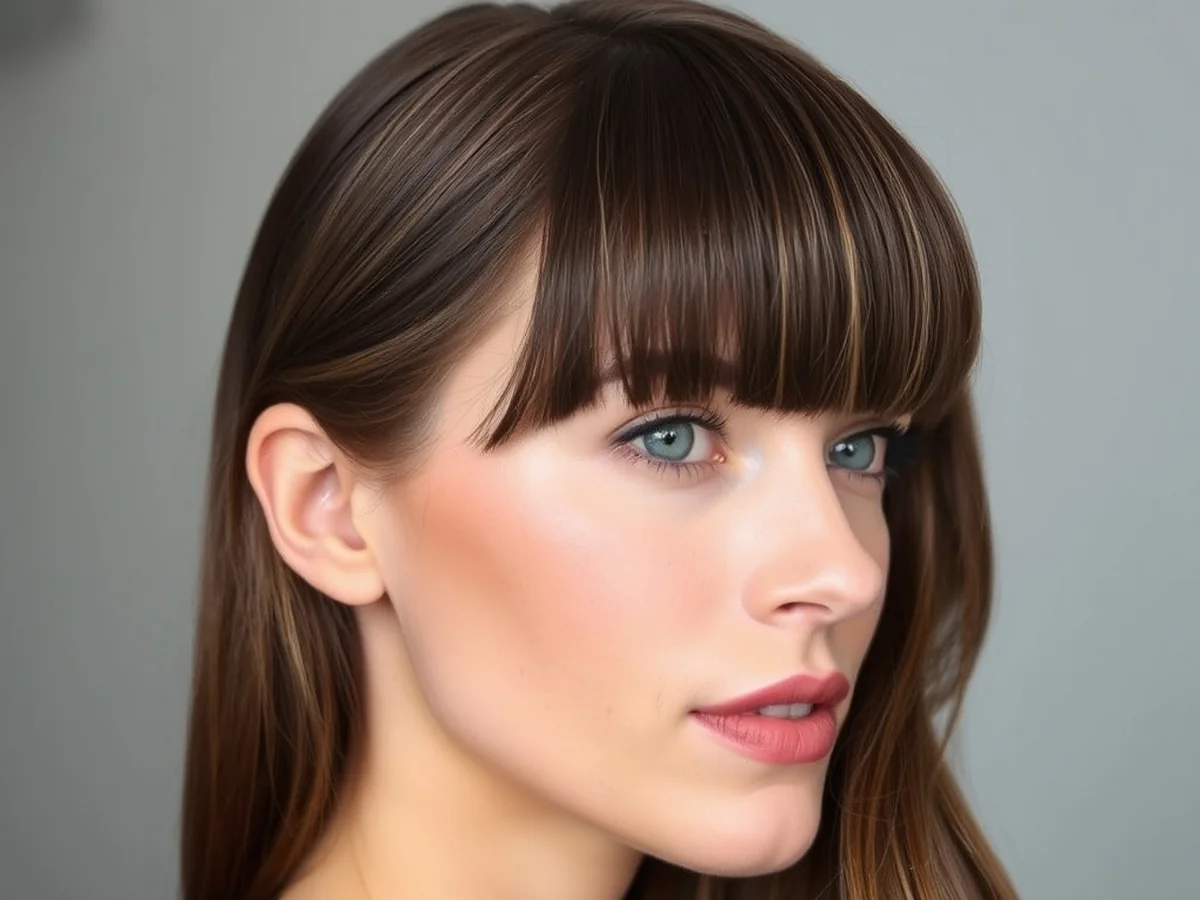
Adding curtain bangs is one of the best cuts for fine hair because they instantly create the illusion of density around your face. These bangs work by adding width at the temples, which draws the eye outward and makes your hair appear much fuller than it actually is. In my experience, keeping these bangs at a length of 4 inches ensures they sit right at the cheekbones for a flattering lift.
The secret is blending into longer layers that frame the rest of your face. This technique prevents the hair from looking disconnected or limp. You can easily maintain this look by using a round brush and a light volumizing mousse during your morning blow dry. It is a simple adjustment that works well with a lob or a longer shag cut without requiring a major chop.
Best Cuts For Fine Hair
You probably know the frustration of watching your hair go flat an hour after styling. If you want more body, the best cuts for fine hair rely on structural integrity rather than heavy layers. A blunt bob is my top recommendation because it keeps the weight at the bottom, making your ends look dense and healthy. When you cut hair straight across at a length of 6 inches or shorter, you eliminate the wispy look that often happens with longer, layered styles. Ask your stylist to skip the thinning shears entirely. Those tools remove bulk, which is the last thing you want if your goal is volumizing haircuts for fine hair. Instead, use a pea sized amount of volumizing mousse before blow drying to keep the hair looking full and bouncy for days.
Layered Fine Haircuts
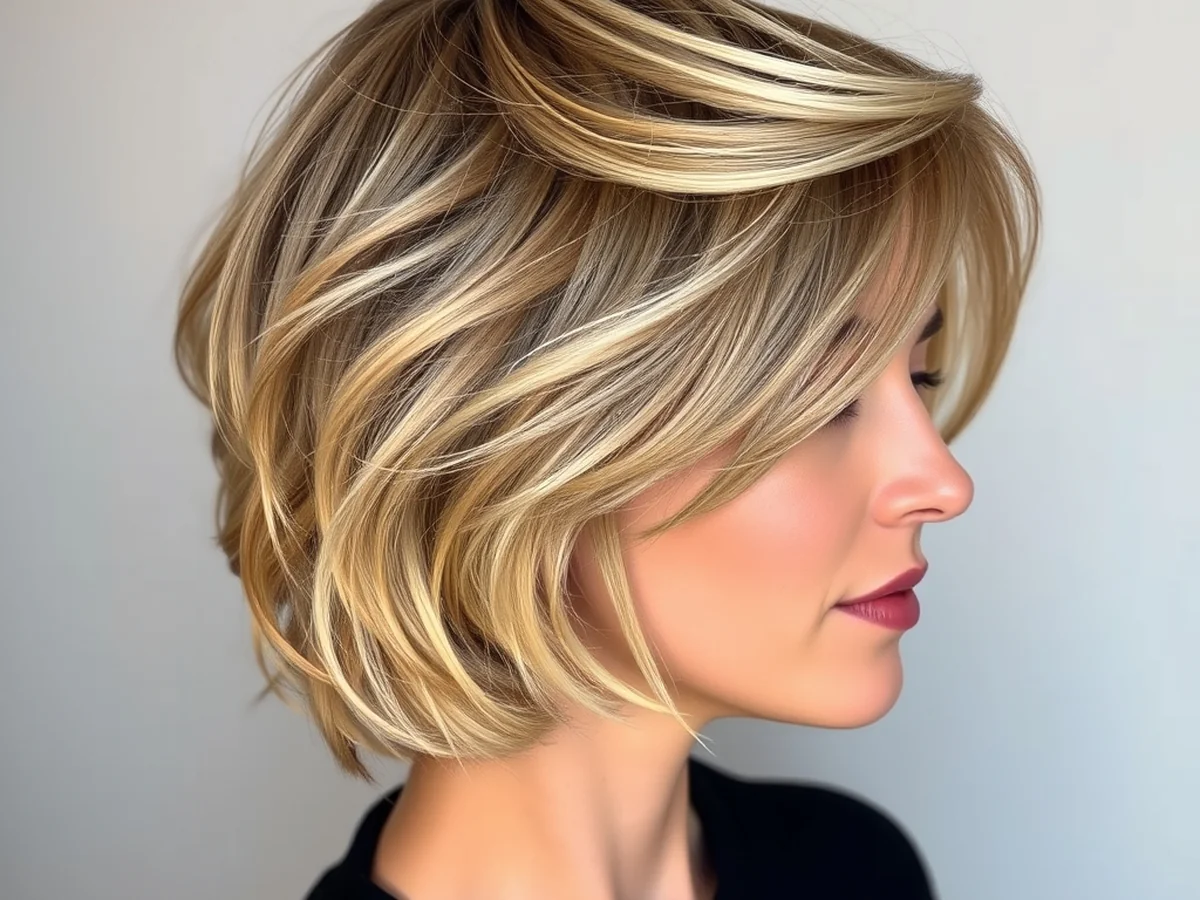
Do you want to add more movement to your flat strands? Adding face-framing layers is one of the best cuts for fine hair because it removes weight that pulls your hair down. By concentrating shorter lengths around your cheeks and chin, you create a lifted appearance that draws attention upward. In my experience, keeping the longest layer at collarbone length prevents the dreaded stringy look that happens when ends get too thin. Avoid heavy, choppy layers that might make your hair look sparse. Instead, ask your stylist for soft, internal layering that boosts volume without sacrificing density. Using a light volumizing mousse on damp hair before you blow dry with a round brush helps these layers hold their shape. This style keeps your hair looking full and healthy every day.
Volumizing Fine Cuts
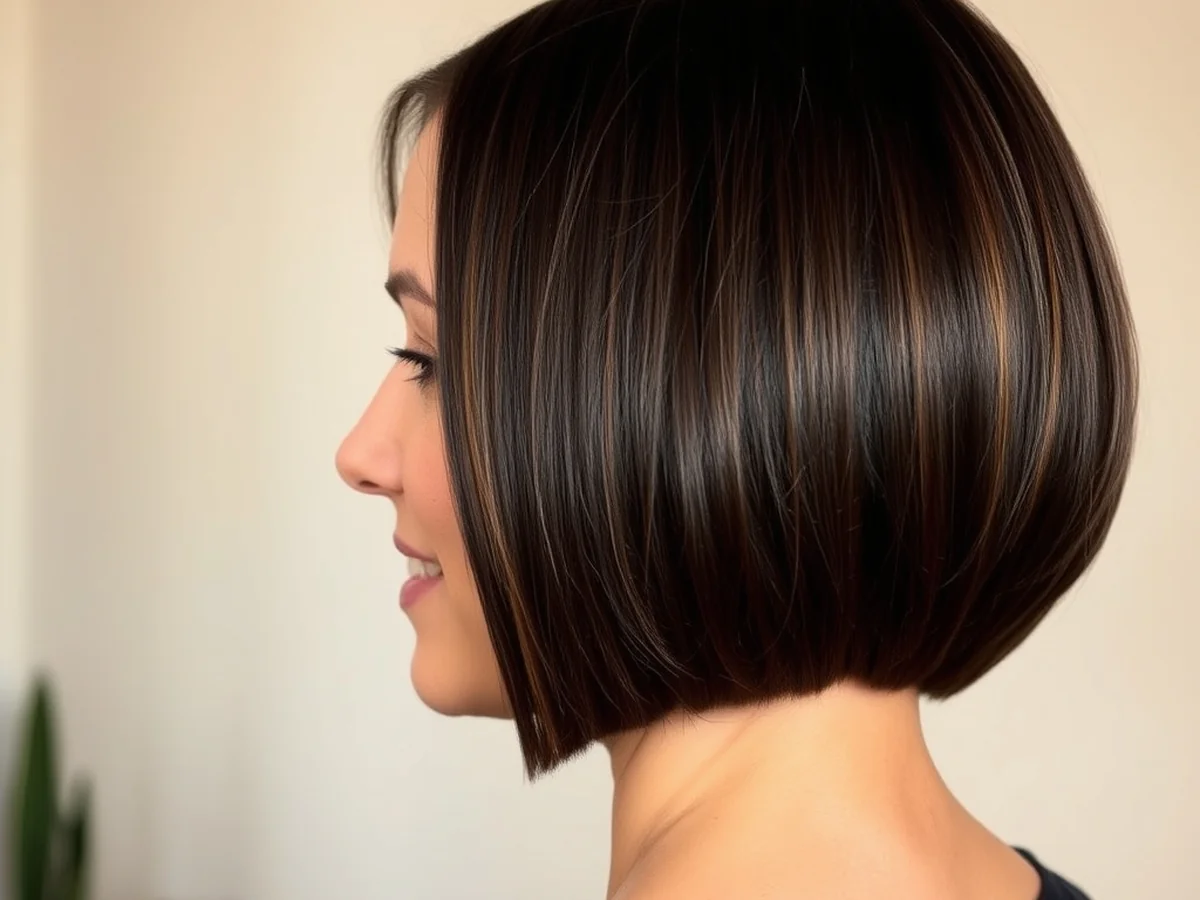
Many people believe growing hair long creates body, but extra length actually pulls fine strands down and makes them appear flatter. The best cuts for fine hair rely on strategic shaping to boost natural lift right at the scalp. A blunt bob is a top choice because it keeps the ends thick and healthy, preventing the wispy look that often happens with longer, layered styles.
When styling these cuts, focus on root support to avoid the dreaded limp finish. Applying a dollop of volumizing mousse the size of a golf ball to damp roots provides structure before you begin blow drying. Use a round brush to lift sections upward while drying, which creates lasting height. For weightless product application, mist a light texturizing spray through your ends rather than using heavy creams that cause hair to clump together.
Chin Length Bob
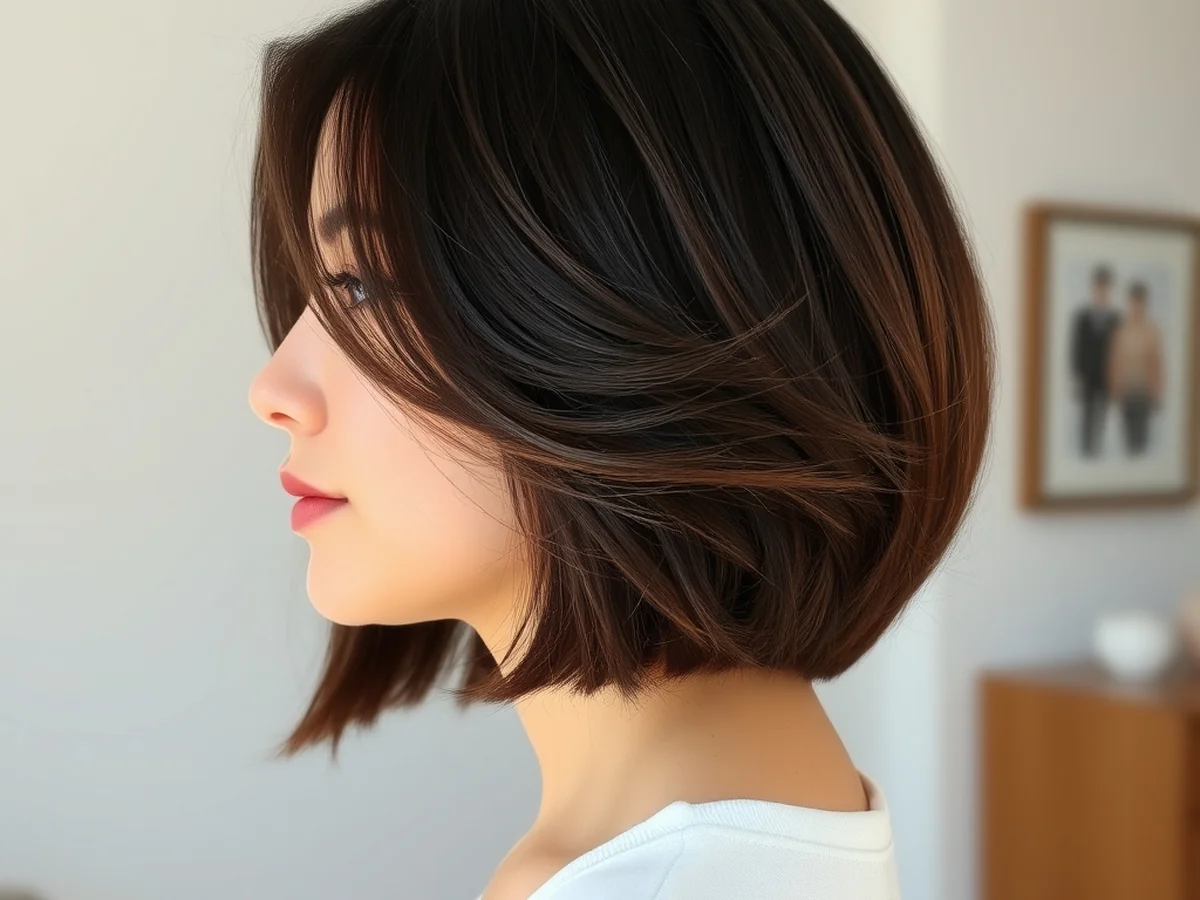
I find that a sharp blunt bob is one of the best cuts for fine hair because the solid perimeter creates an illusion of density. By removing weight at the bottom, your hair instantly gains more bounce and movement, which prevents it from dragging your face down. To maximize the effect, apply a small amount of volumizing mousse to damp roots before blow drying with a round brush. This technique ensures the hair holds its shape throughout the day without falling flat.
To keep the style looking intentional, you need to stick to a strict maintenance trim schedule of exactly 6 weeks. Letting the ends grow out too long causes the style to lose its structural integrity and fullness. If you wait longer, the ends tend to look thin and straggly.


REVLON One-Step Volumizer Plus
A convenient pick for adding volume and smoothing hair during at-home blowouts.
Check Price on AmazonAs an Amazon Associate, Lady Lana Beauty earns from qualifying purchases.
Soft Pixie Version
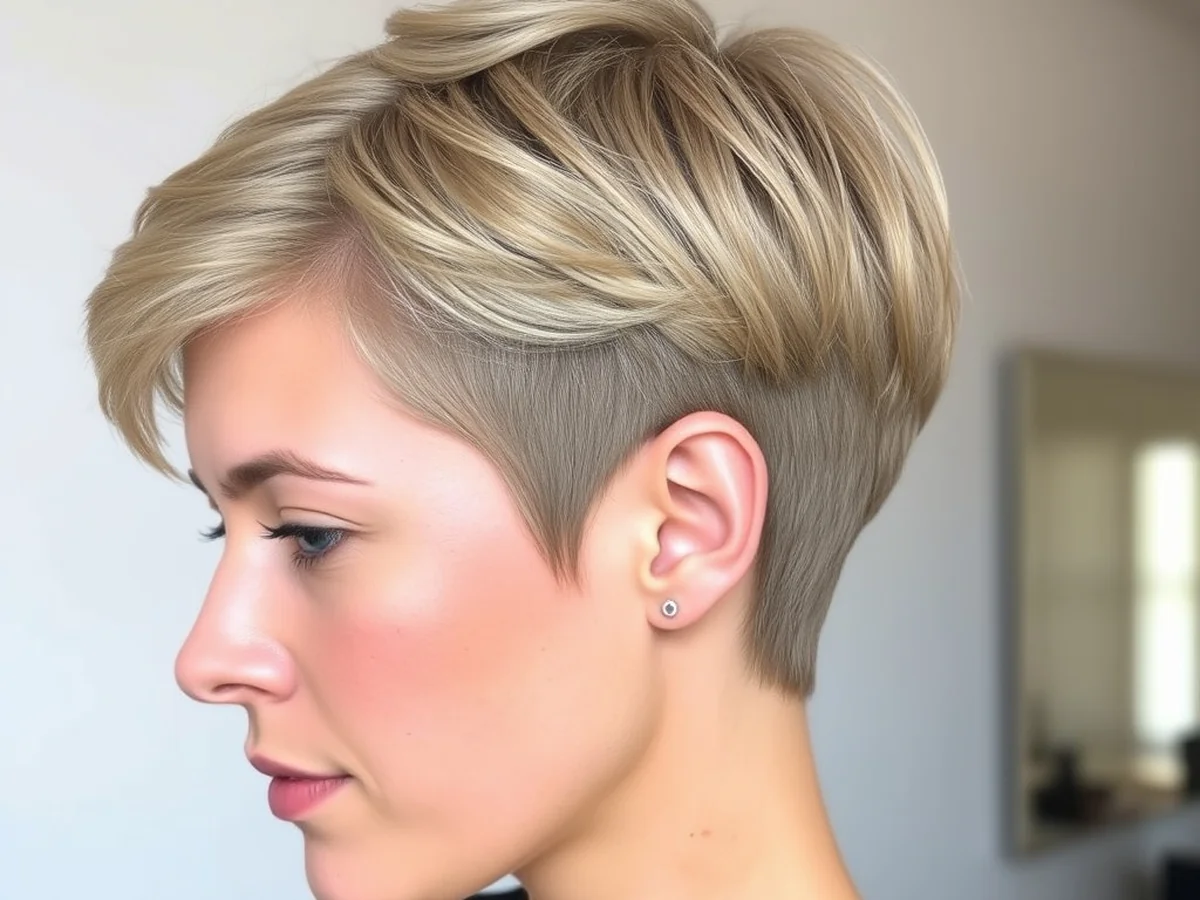
Ask your stylist to leave at least 2 to 3 inches of length on top while cutting the sides short. That extra length gives you something to work with, and on fine hair it creates the appearance of real thickness rather than just lying flat against the scalp.
The soft pixie cut for fine hair works so well because the longer top section lets you lift and tousle the hair upward. A small amount of texturizing spray at the roots before you scrunch gives that lifted, airy finish without weighing anything down. This is genuinely one of the best cuts for fine hair if you want low maintenance with high visual impact.
- Heart face shapes suit this style especially well
- The fuller top balances a narrower chin naturally
- Face-framing layers around the temples soften any sharpness
Trim every six weeks to keep the shape clean and the volume effect working properly.
Modern Lob Style
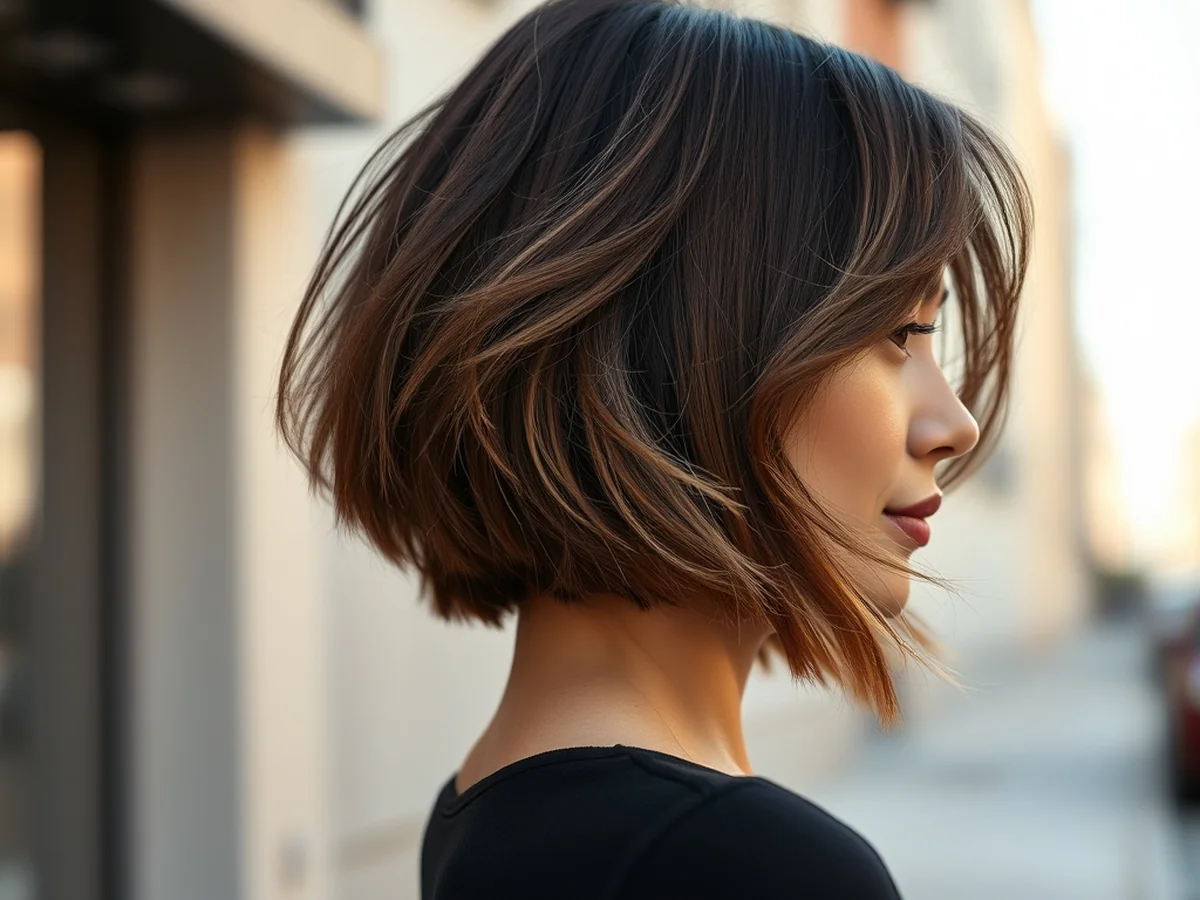
Spring and summer are the best seasons to try a lob, because the slightly warmer air helps fine hair dry with natural movement instead of falling completely flat. Cut to collarbone length, this is genuinely one of the best cuts for fine hair right now. It keeps enough weight in the ends to stop hair looking wispy, while still feeling light and modern.
The real advantage is how well it works with easy air dry styling. Scrunch in a small amount of volumizing mousse on damp hair, let it dry naturally, and you’ll get soft texture without touching a heat tool. Fine hair actually holds this relaxed shape better than you’d expect at this length.
- Ask for face-framing layers at the front to add softness around your features
- Keep the back blunt to preserve density and visual thickness
- Plan a trim every eight weeks to keep the shape working for you
Undercut Pixie Details
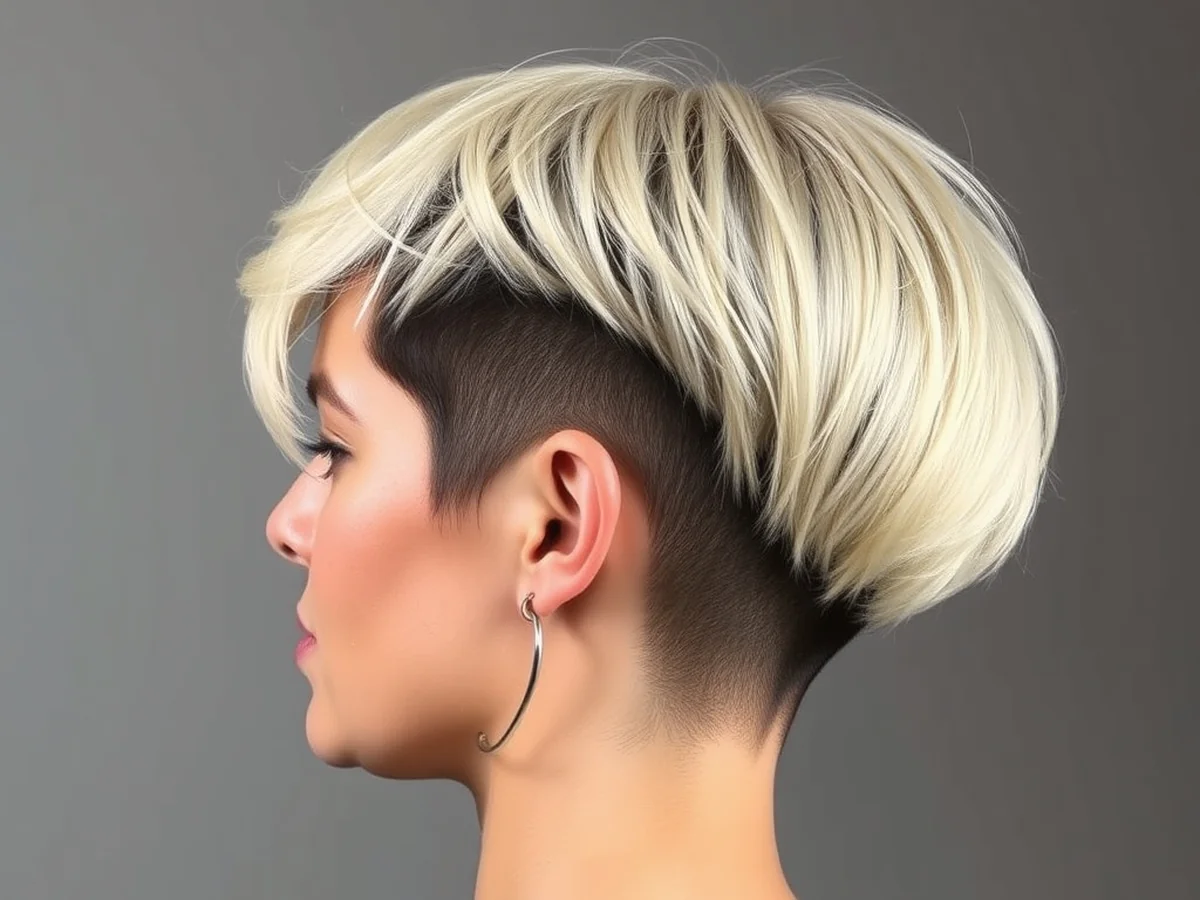
A standard pixie runs around $45 to $65 at most salons, but an undercut pixie costs slightly more because of the precision clipper work underneath. For women with heavy density hair, that extra step is genuinely worth it. The undercut removes bulk at the nape and sides, so the top section sits lighter and lifts naturally instead of falling flat.
This isn’t one of the obvious best cuts for fine hair, but it works in a surprising way. Removing weight underneath gives even fine strands the illusion of fullness on top, which is the same logic behind layered cuts for fine hair overall. The contrast between the shaved section and the longer top creates structure the hair wouldn’t hold on its own.
- Confidence factor: the clean-cut underline gives the style a bold, intentional edge
- Ask your stylist to keep the top at least 2 inches long for flexible styling
- A small amount of tex
Disconnected Bob Cut
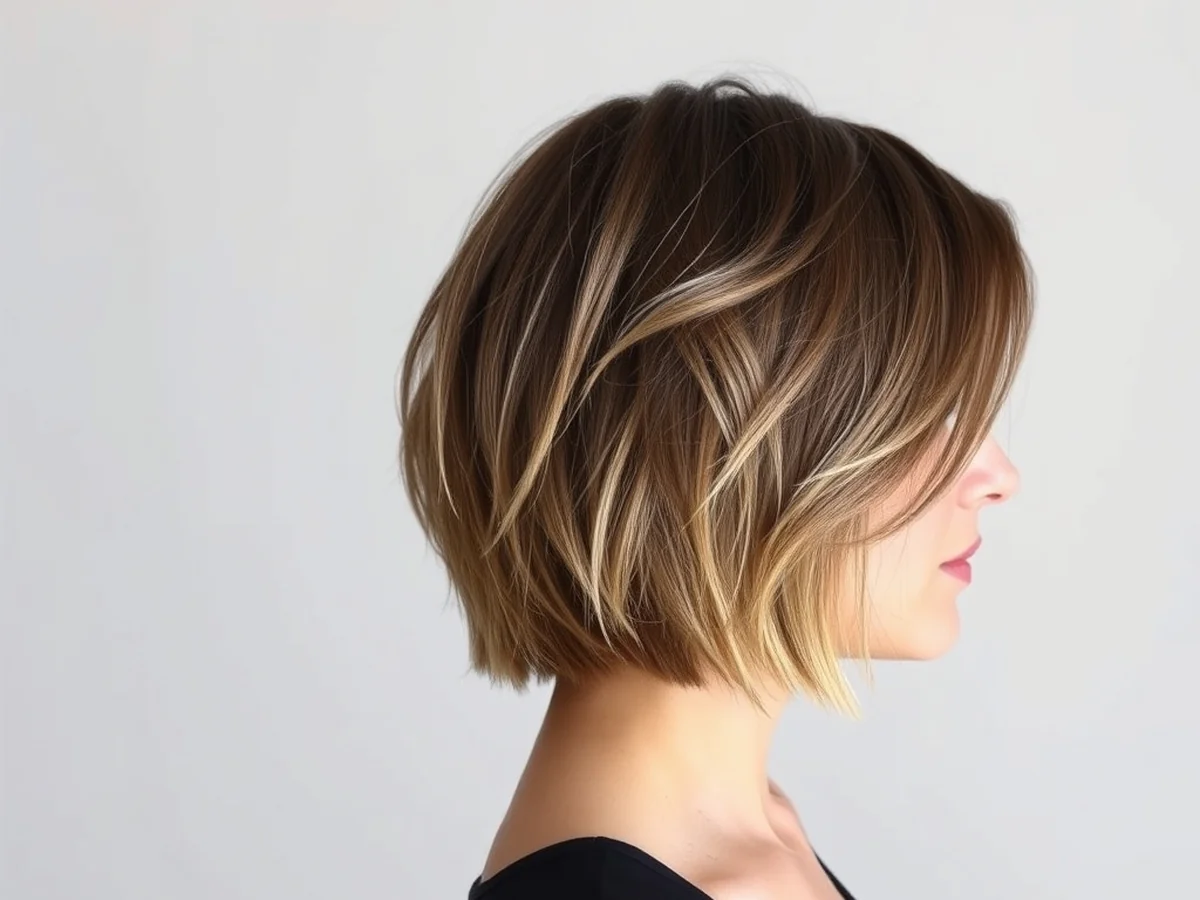
Disconnected Bob Cut A disconnected bob is one of the best cuts for fine hair because it creates an illusion of density through intentional length variations. By keeping some sections shorter than others, you generate irregular volume that prevents your locks from falling flat against your scalp. This style works exceptionally well for anyone wanting to embrace messy textures without spending hours in front of the mirror.
To get the look, ask your stylist for a cut that falls about 2 inches above your chin. The uneven edges remove the heavy, weighed down feel of a standard blunt cut. You can use a lightweight texturizing spray to separate the ends and boost the overall body throughout the day. This haircut is perfect if you struggle with limp strands and want a low maintenance style that looks naturally full and effortless.
Side Parted Fine Hair
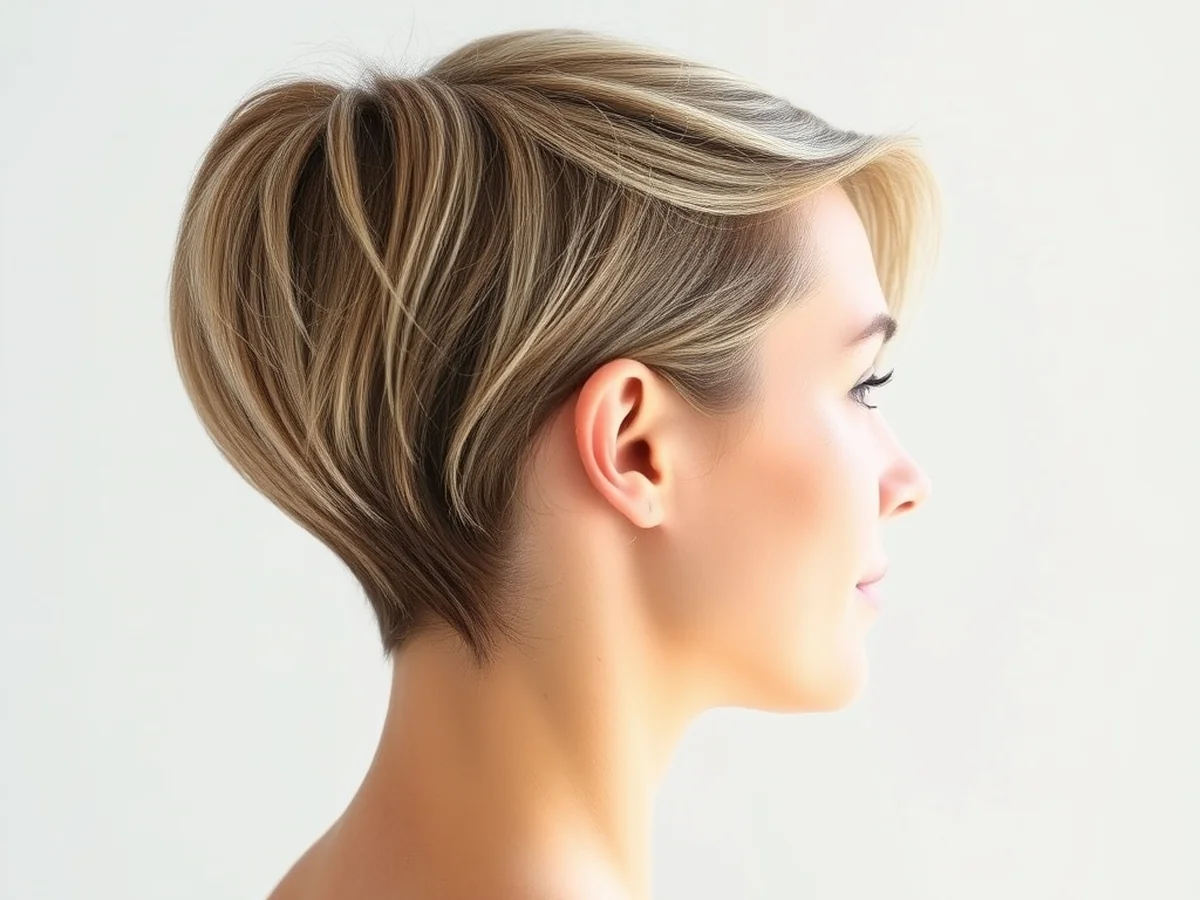
Side Parted Fine Hair You wake up and notice your hair lying flat against your scalp, making you wish for an instant boost. A deep side part is one of the best cuts for fine hair because it forces your roots to stand up, creating the illusion of height without extra effort. By shifting the weight of your hair to one side, you instantly gain more coverage and a fuller silhouette.
This technique pairs perfectly with a blunt bob, which keeps the ends dense and healthy. When you keep your ends even, you avoid the wispy look that long layers often create. I usually suggest taking 2 inches off your length to maintain that crisp, thick perimeter. Using a small amount of volumizing mousse before you blow dry with a round brush will lock in that lift all day long.
Graduated Bob Shape
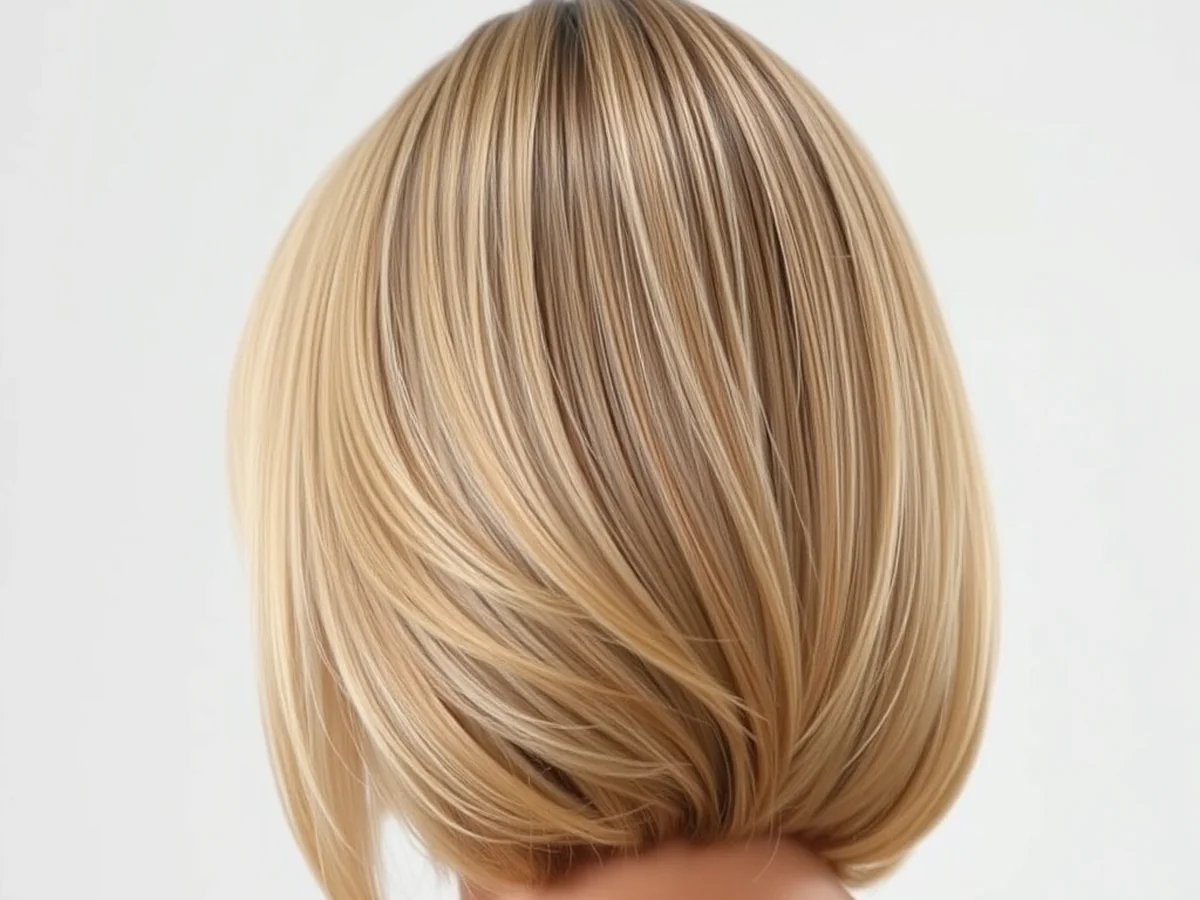
Graduated Bob Shape Do you want to know if a graduated bob is one of the best cuts for fine hair? This style works by stacking layers at the back to build weight and height where your hair usually falls flat. By cutting the hair shorter at the nape and leaving it slightly longer toward the front, you create a natural curve that makes your hair look dense. This technique is perfect for boosting crown fullness without needing heavy products. I recommend asking your stylist for a 1-inch difference between the nape and the front sections to keep the shape defined. You can maintain this volume by applying a small amount of volumizing mousse while your hair is damp. A quick blow dry with a round brush helps lock in that rounded shape for an easy, polished look.
Choppy Pixie Cut
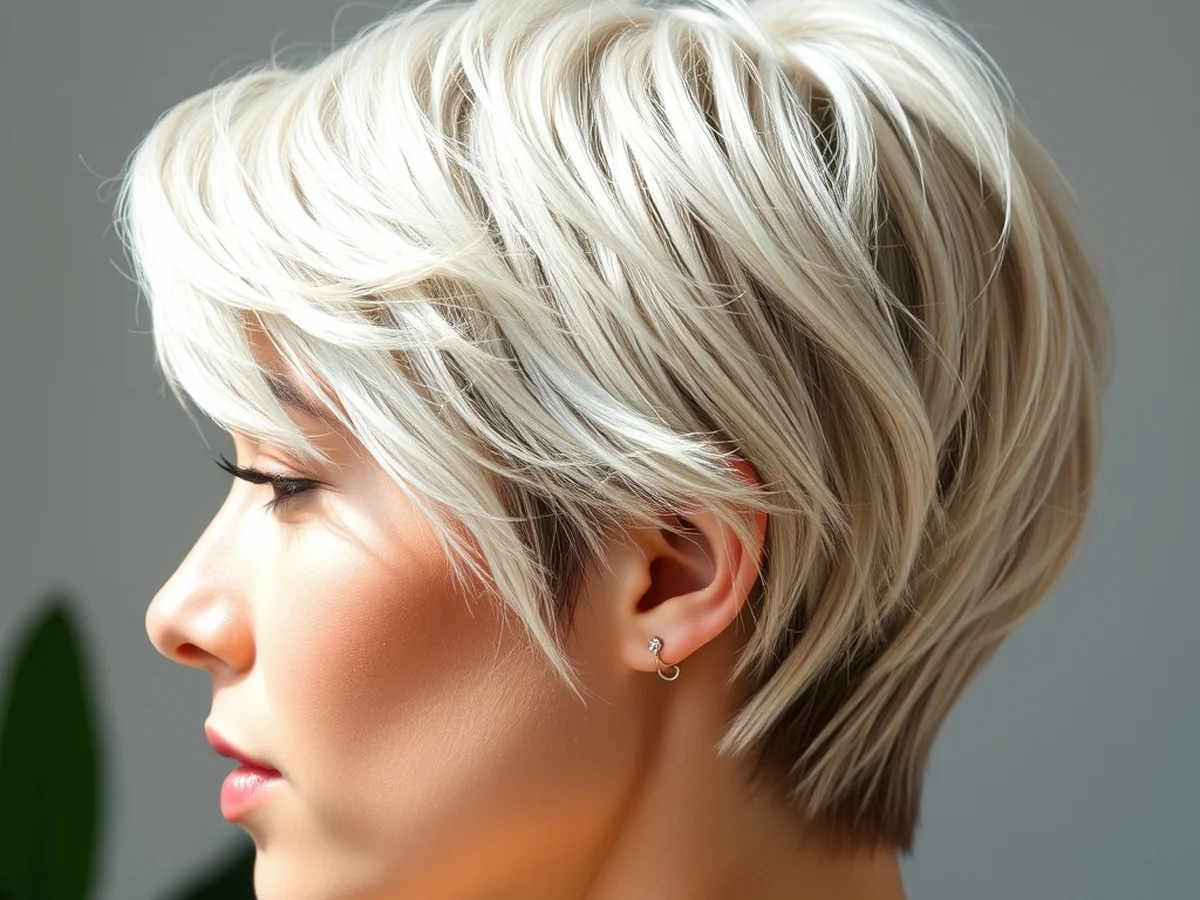
Choppy Pixie Cut Many assume short hair looks flat, but a choppy pixie is actually one of the best cuts for fine hair because it removes heavy weight that pulls strands down. By cutting the hair short, you gain immediate lift at the roots. This style is perfect if you want to swap hours of styling for a quick morning routine. Adding grit to hair is essential here to stop the cut from looking too soft or limp. Use a high quality volumizing mousse on damp hair before you blow dry to create a strong foundation. I usually recommend a nickel sized amount of product to avoid buildup that weighs hair down. This short style needs a trim every 4 weeks to keep the choppy layers sharp and the shape looking intentional.
Long Layered Cut
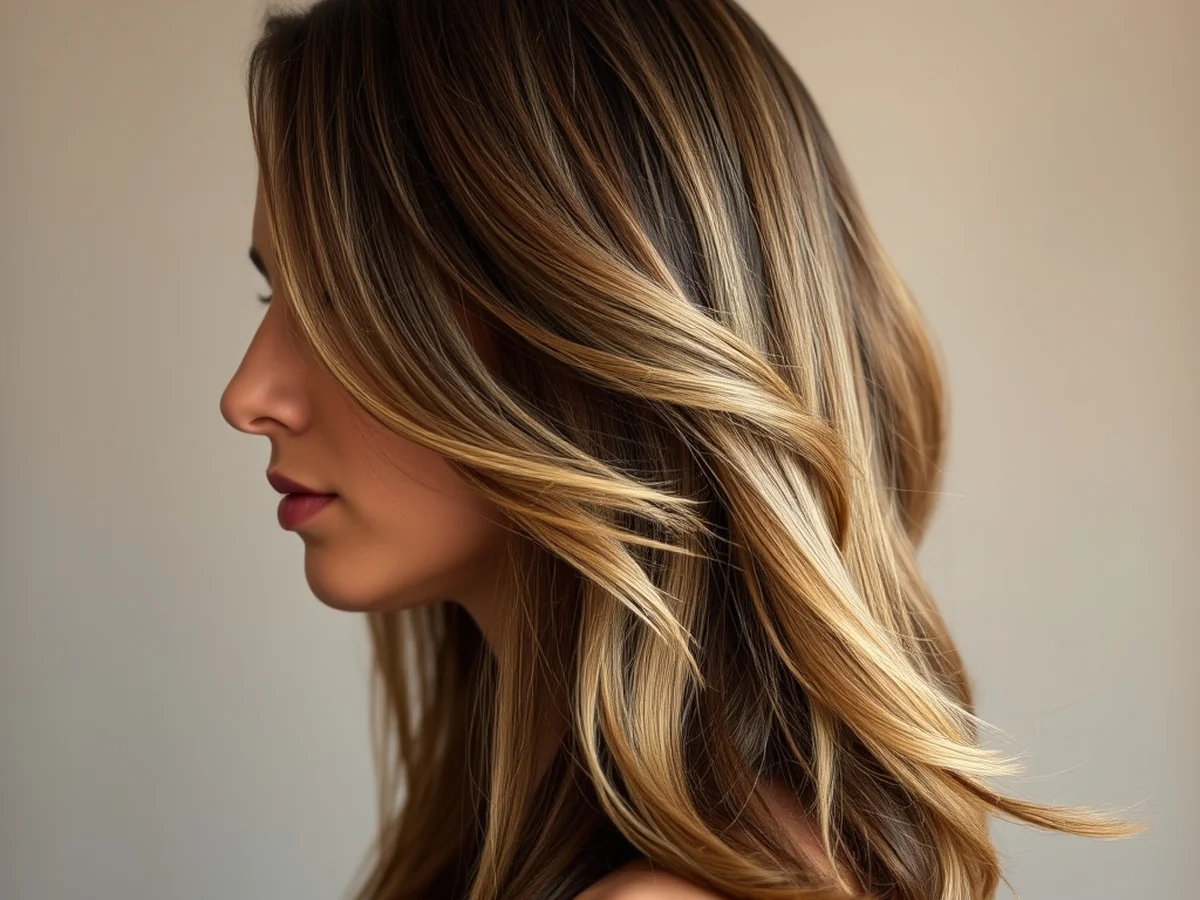
Long Layered Cut I find that long styles often drag down fine strands, but adding strategic layers creates the illusion of fullness. This is one of the best cuts for fine hair because it removes the dead weight that makes your ends look stringy. By focusing on face-framing layers, you draw attention upward and prevent the hair from appearing flat against your cheeks. Keeping your hair at collarbone length is the sweet spot for maintaining volume while avoiding the limpness that happens when hair grows past your shoulders.
- Apply a pea-sized amount of volumizing mousse to damp roots before blow-drying with a round brush.
- Schedule a trim every 8 weeks to keep ends blunt and healthy, preventing the thinning that makes hair look sparse.
Wispy Fringe Look

Wispy Fringe Look Ask your stylist to cut your fringe to around 1.5 inches of wispy, feathered length rather than a blunt line. That soft, airy finish is what makes this one of the best cuts for fine hair because it creates the illusion of fullness right at the front without any added weight pulling the hair flat.
The wispy fringe works hard at the forehead. It draws attention forward and balances a longer face shape, and it pairs beautifully with face-framing layers that carry the same light texture through the rest of the cut. Fine hair tends to clump when fringe is cut too heavy, so keeping it feathered keeps everything looking intentional, not limp.
For another perspective, this detailed piece on Curious what haircuts work best for us fine hair ladies … is worth a read.
- Minimal heat needed , a quick finger-dry or a cool blast from your dryer sets this style in minutes
- A light mist of texturizing spray keeps the pieces separated without weighing them down
- Trim every
FAQ
Is fine hair the same as thin hair?
These two terms get mixed up constantly, especially in spring when humidity shifts can make any hair feel flat and unmanageable. Fine hair describes the diameter of each individual strand, while thin hair refers to how many strands you actually have on your scalp. You can have fine hair that is also dense, or thick strands that grow sparsely. Knowing which category you belong to helps you and your stylist choose the right cut from the start.
What are the best cuts for fine hair overall?
A blunt bob or a lob sitting just at collarbone length consistently works well because the solid edge creates the illusion of thickness. Soft face-framing layers or curtain bangs can also lift the look without removing too much weight. The goal is volume at the roots and shape at the ends, not length that drags everything flat.
Should I get layers if my hair is fine?
Light, face-framing layers work beautifully on fine hair, but heavy all-over layering can backfire and make strands look even thinner. Ask your stylist to keep layers no shorter than 2 inches apart to preserve enough weight for movement. A textured bob or a gentle shag cut gives that layered look without sacrificing density.
What should I ask at my salon consultation?
Come prepared with photos and ask specifically about volumizing haircuts for fine hair that suit your face shape. Ask how often you’ll need a trim to keep the style working, since most volume-boosting cuts need a refresh every six to eight weeks. It also helps to mention your wash routine and whether you rely on heat tools daily.
Which styling products support a fine hair cut?
A volumizing mousse applied at the roots before blow-drying with a round brush adds noticeable lift without weighing strands down. A
You might also like: 21 Women Micro Bob Hairstyles For A Chic Look
Key Takeaways
Spending $20 on a high quality volumizing mousse often provides better results than a $200 chemical treatment when you choose the right style.
- Prioritize blunt ends to create the illusion of density, making the blunt bob one of the best cuts for fine hair to fake extra thickness.
- Incorporate strategic layers like face-framing pieces to prevent weight from pulling your roots down and flattening your style.
- Use texturizing spray daily to add grip, which helps fine strands hold volume longer than using heavy conditioners.
- Maintain hair health by trimming your ends every 8 weeks to prevent breakage and keep your chosen style looking sharp.
- Invest in a round brush with a 2 inch barrel to build lift at the roots during your blow dry routine.
- Consult your stylist about the weight distribution of your hair to ensure your cut complements your specific density.
Save this guide to your Pinterest board to keep these styling tips handy for your next salon visit.