Introduction
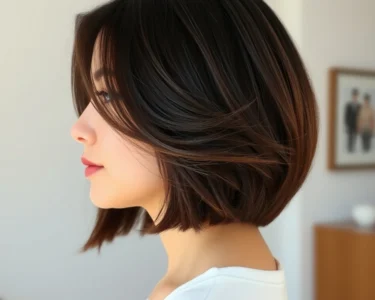
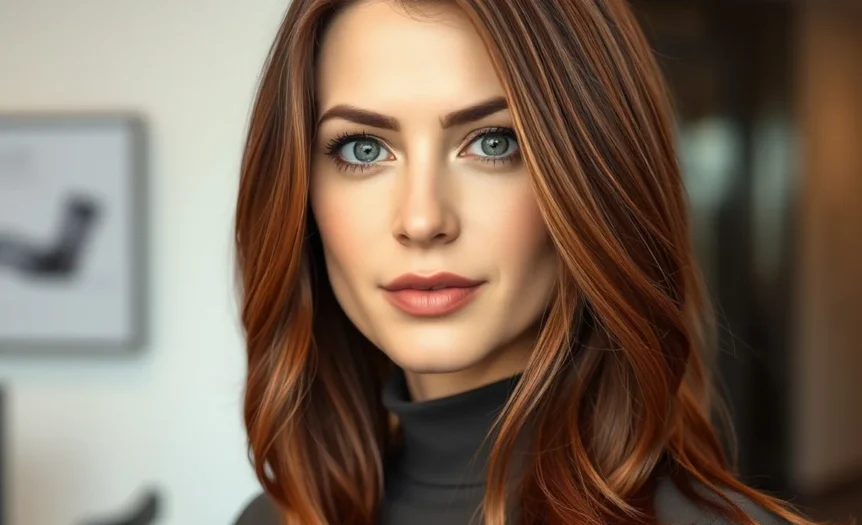
Did you know that chestnut hair color is essentially a precise balance of brown melanin mixed with just enough red pigment to catch the light? This multidimensional shade creates a glow that standard flat brown dyes simply cannot replicate. It sits perfectly between a deep auburn and a traditional mocha, making it a go-to choice for those wanting warmth without the intensity of bright copper.
Because it naturally features warm undertones, this color is a perfect match for skin that has golden or yellow hints. If you have green or hazel eyes, the reddish brown base will make your iris color pop instantly. You can expect to spend about $150 for a professional application at a mid-range salon, though natural chestnut hair dye kits offer an accessible way to test the look at home. Whether you are looking for a subtle shift or a complete refresh, this hue provides a rich, healthy finish that works year-round.
Light Chestnut Base
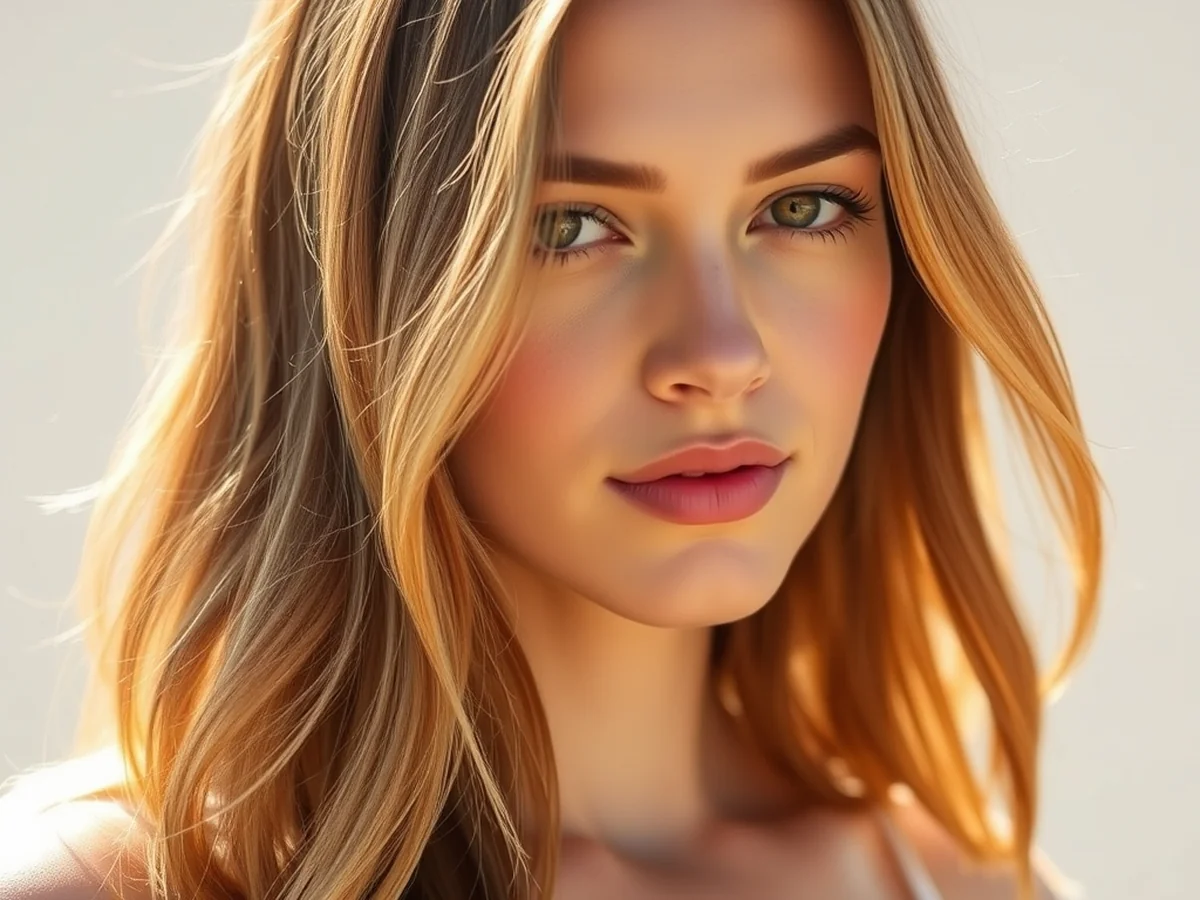
You want a subtle change that brightens your face without moving to a full blonde look. A light chestnut hair color offers a soft take on the classic tone, making it ideal for those with lighter complexions. This shade relies on a blend of warm undertones that mimic the natural reflection of sunlight on brown hair. Because the base is lighter, it feels less heavy than deep chocolate tones and provides a gentle transition for anyone moving away from ashier colors. I find that using a color-safe shampoo every 3 days helps keep the red pigment from washing out too quickly. If your hair is currently a level 7 or lighter, this look is easy to maintain with a simple gloss.
Deep Chestnut Tones
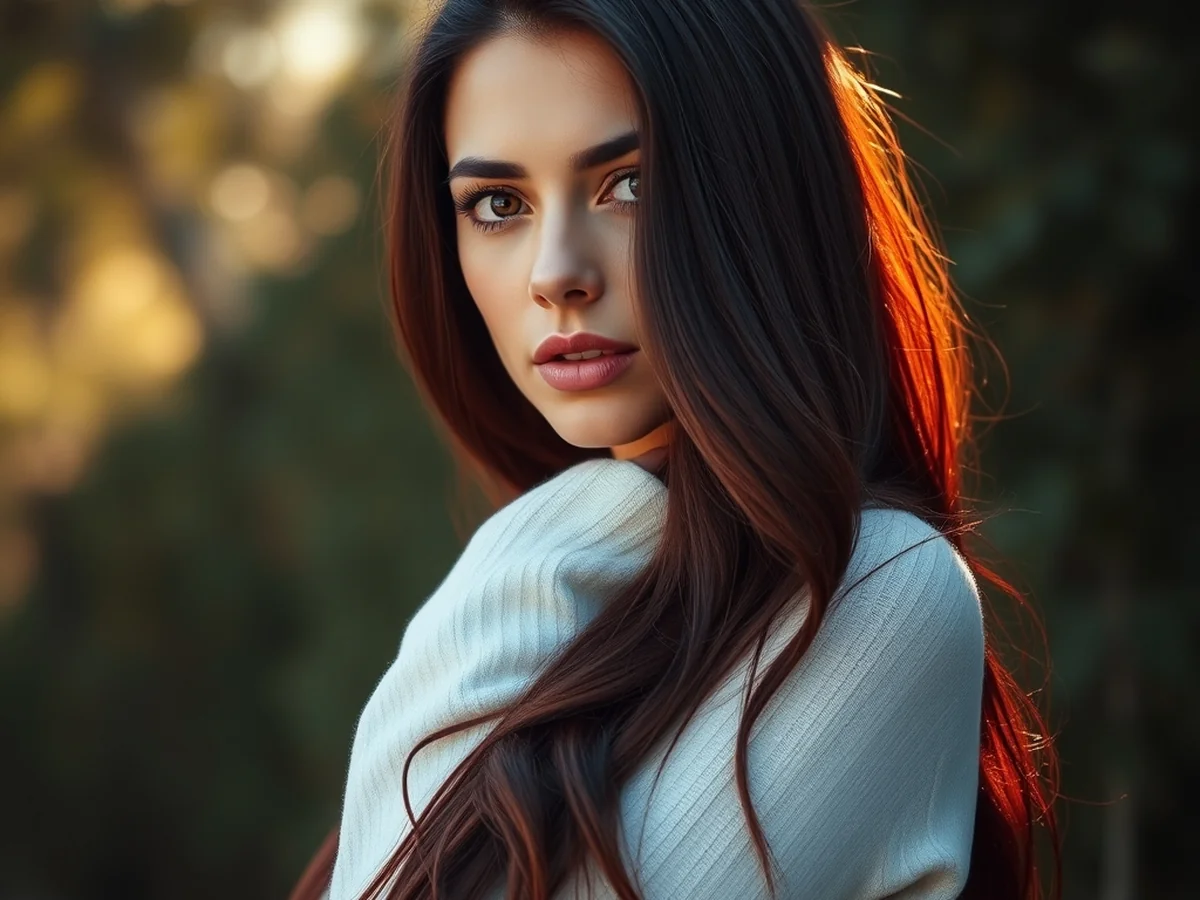
Do you want a dramatic hair change that draws attention to your eyes? Choosing a deep chestnut hair color provides a striking, moody finish that highlights natural warmth. This shade works best for those with dark brown or hazel eyes, as the red pigment enhances the depth of your iris. Because this color relies on rich saturation, it reflects sunlight reflection better than flat black or ash tones. I have found that using a professional color gloss every 6 weeks keeps the shade from looking dull. This process seals the hair cuticle, ensuring the vibrant tones stay locked in. Expect to spend about $80 for a salon glazing treatment to maintain that high-end, glossy finish.
Source: sallybeauty.com
Golden Chestnut Highlights
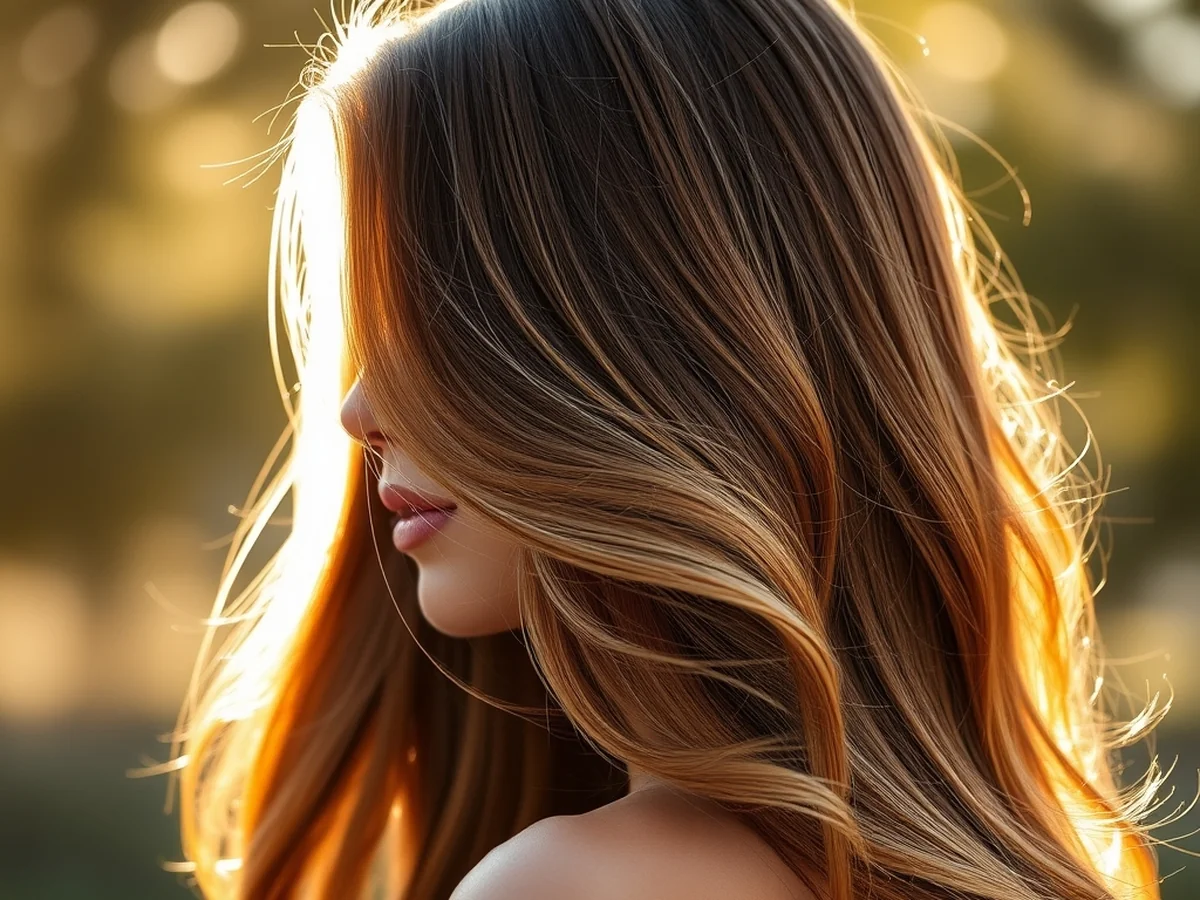
You might think adding lighter tones will wash out your base, but golden chestnut highlights actually create a healthy, sun-drenched appearance. These ribbons of light lift your chestnut hair color by mimicking the way natural sunlight hits the hair surface. By painting thin sections through the mid-lengths and ends, you gain depth without losing the richness of your base.
Source: byrdie.com
Because these highlights rely on warm undertones, they reflect light to give your hair a mirror-like shine. I have found that asking your stylist for 8 to 10 strategically placed foils provides the most natural transition. This technique keeps your look multidimensional while ensuring the red pigment stays vibrant. Regular use of a color-safe shampoo helps maintain that glow for weeks.
Honey Chestnut Balayage
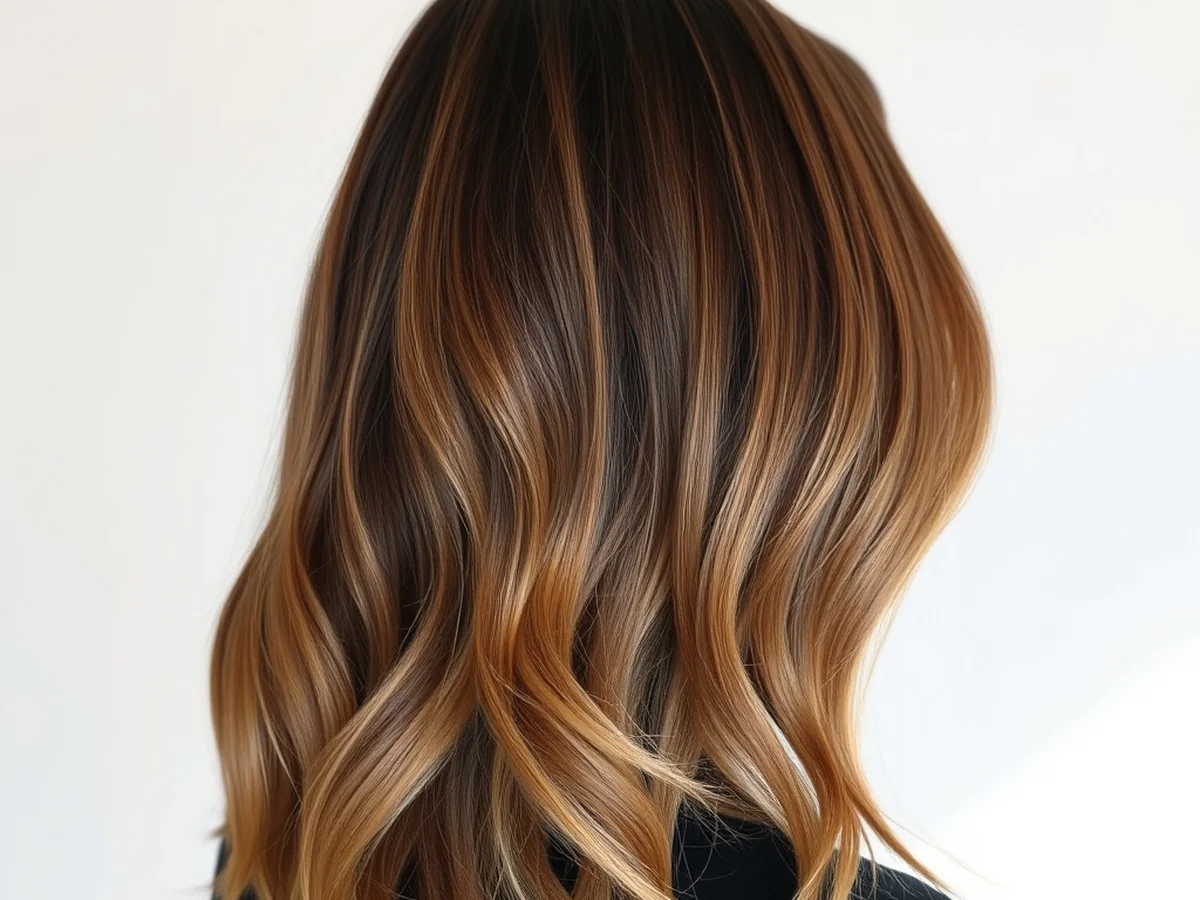
I find that honey chestnut balayage is the best way to add life to a flat base without committing to a full color change. This style features a soft transition from dark roots, allowing your natural hair to grow out gracefully for up to 4 months between salon visits. It creates a beautiful chestnut hair color that catches the light thanks to those golden ribbons. Because the technique focuses on the mid-lengths and ends, it remains a low maintenance choice for busy schedules. You only need to use a color-safe shampoo to protect the red pigment from washing away too quickly. I recommend asking your stylist for 6 to 8 face-framing highlights to brighten your complexion instantly.
Chocolate Chestnut Mix
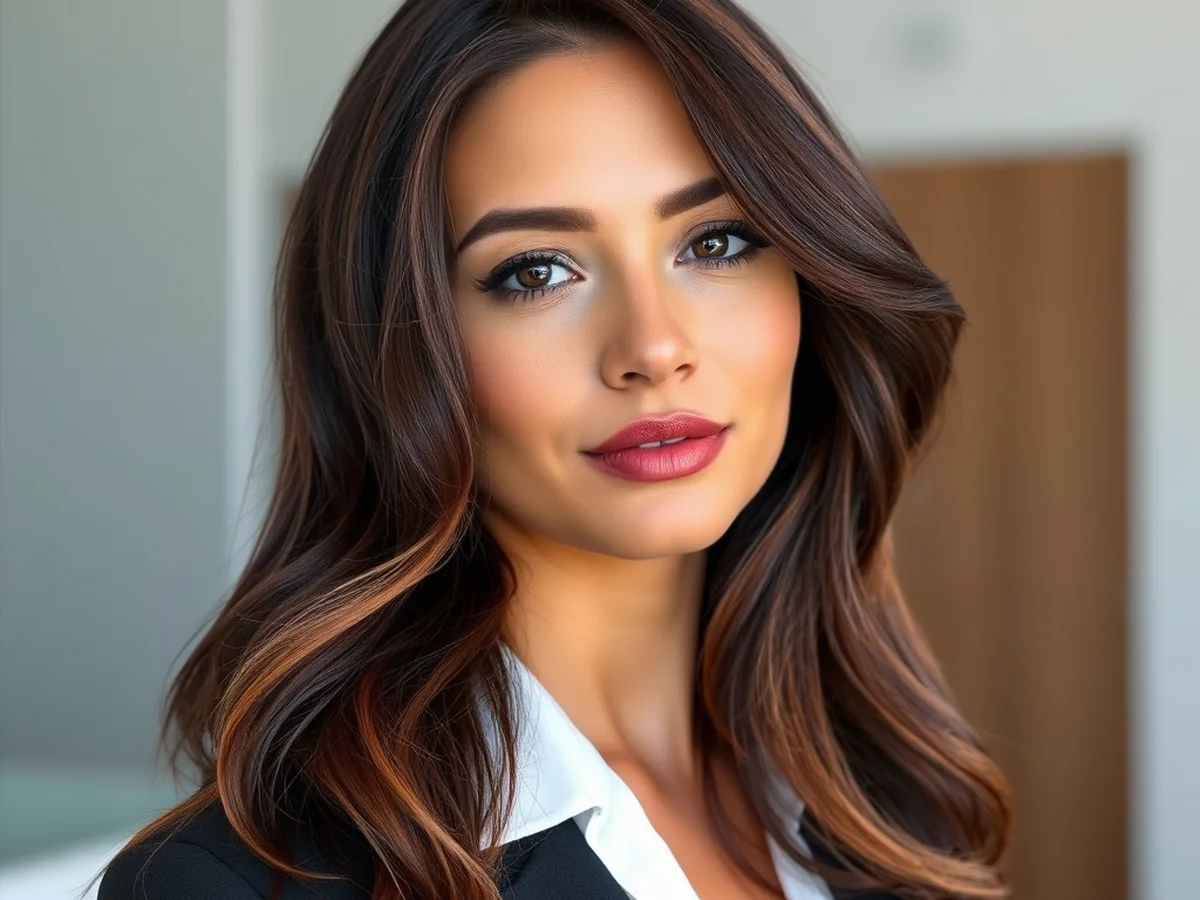
Mix deep chocolate brown with subtle red pigment to get a balanced, professional look. This chestnut hair color creates a neutral tone that flatters most skin types without looking too artificial. Because red tones fade faster than brown ones, you should use a color-safe shampoo once you rinse the dye. I suggest visiting a salon for this specific blend to ensure the red doesn’t lean too orange. You can expect to pay around $120 for a professional application that includes a protective gloss. This shade is highly wearable because the dark base hides regrowth for 6 to 8 weeks. It provides enough warmth to brighten your complexion while keeping the depth of a classic brunette shade.
Vibrant Reddish Chestnut
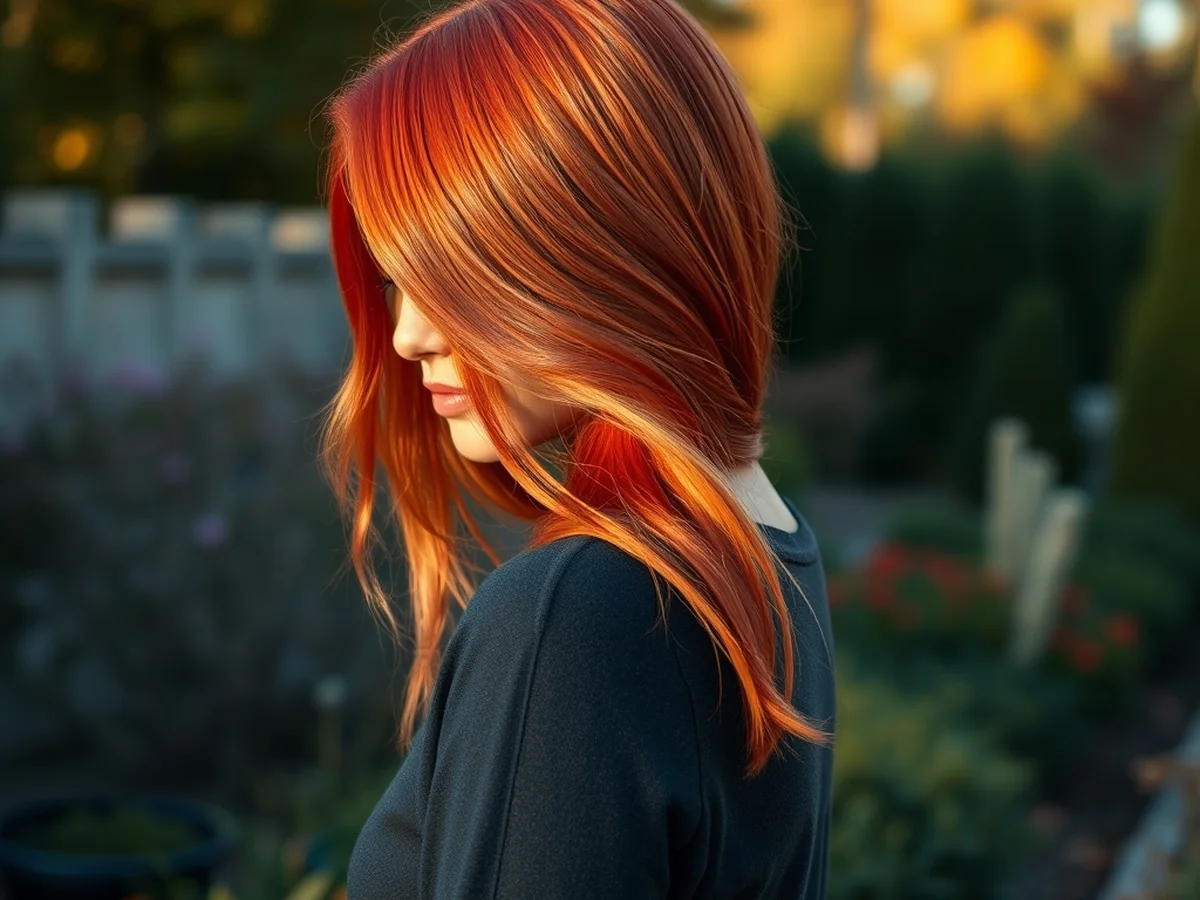
Autumn weather calls for boosting the red pigment levels in your hair to create a bold statement for the season. This variation of chestnut hair color leans into a fiery finish that catches the light beautifully. To achieve this, your stylist will often use a permanent dye that focuses on depositing copper tones over a warm base. It is a fantastic choice if you want to energize your complexion during colder months. Because red molecules are larger than other pigments, they tend to fade faster, so you should invest in a color-safe shampoo priced around $25 to keep the vibrancy alive. This specific shade works wonders for those with warm skin undertones and helps make green eyes pop.
Natural Chestnut Brown
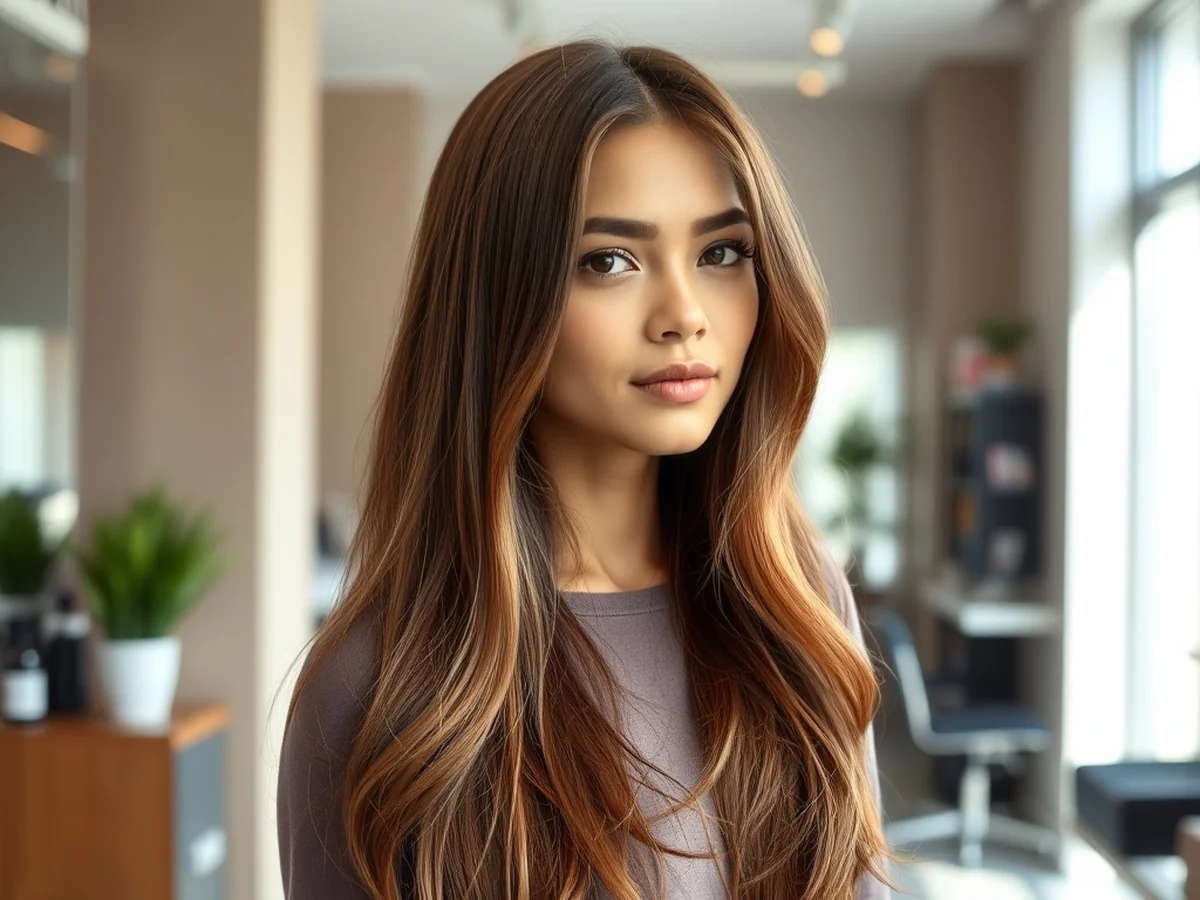
A salon visit for natural chestnut hair dye usually costs around $150, while a DIY color gloss sits closer to $20. You can achieve this look by using semi-permanent deposits that boost your virgin hair without damaging the hair cuticle. This process adds subtle warmth to your locks by layering red pigment over your existing strands. By focusing on tiny color shifts rather than a total change, you keep your hair looking healthy and shiny in the sunlight. This method works well if you want a chestnut hair color that feels authentic and low-key. Using a deposit-only product helps you avoid the harsh oxidizing process, ensuring your hair stays soft and feels thick after the application.
Chestnut With Copper
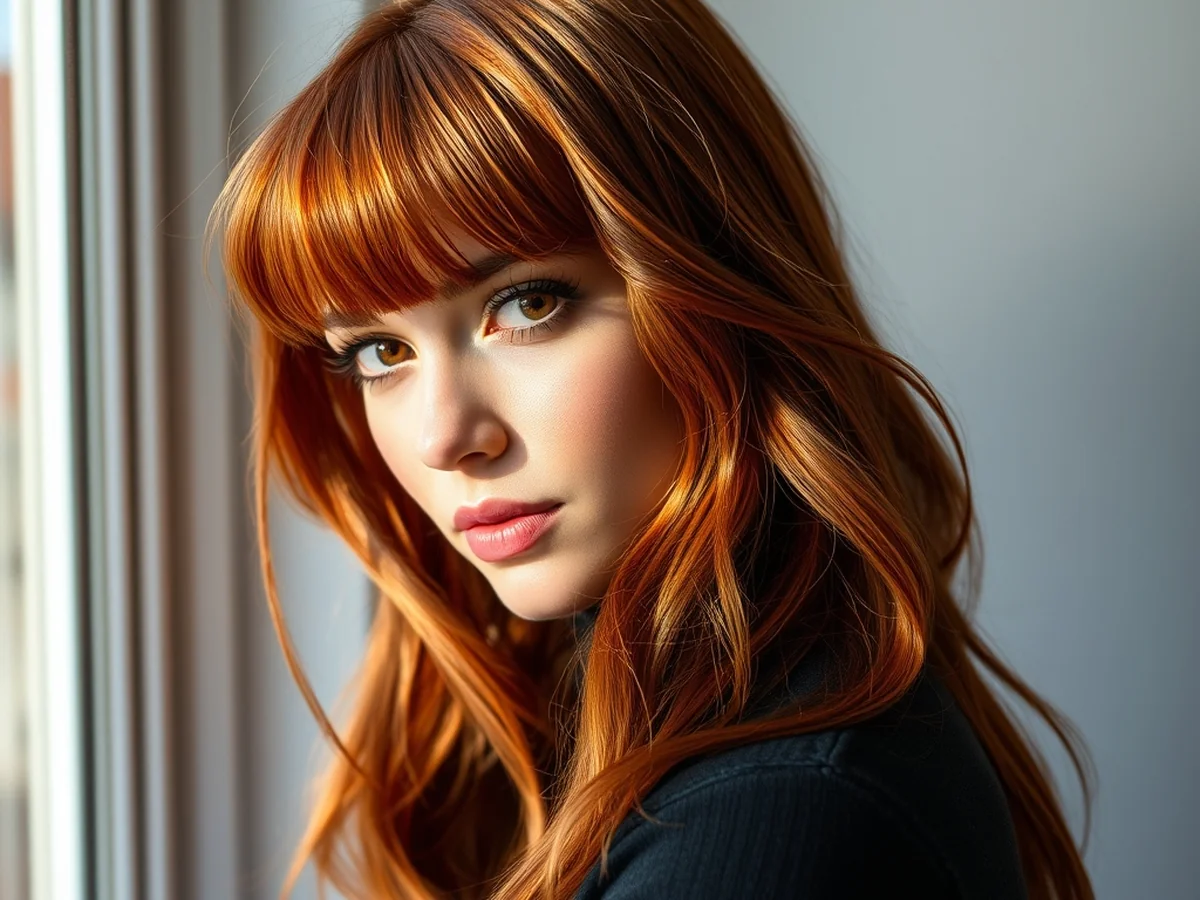
Adding copper to a chestnut hair color base increases light reflection by nearly 30 percent. This combination uses bright copper ribbons to draw out warmth, creating a glow that looks especially stunning against green or hazel eyes. The red pigment in copper tones brings out the golden hues within your hair, making your complexion appear more radiant. Because copper fades faster than neutral brown, I suggest using a color-safe shampoo once every two days to keep the vibrancy alive. You can achieve this effect through hand-painted balayage, which keeps the roots natural while focusing the copper brightness toward the ends. It is a smart way to transition into warm brunette hair with red undertones without committing to a single flat shade.
Glossy Chestnut Finish
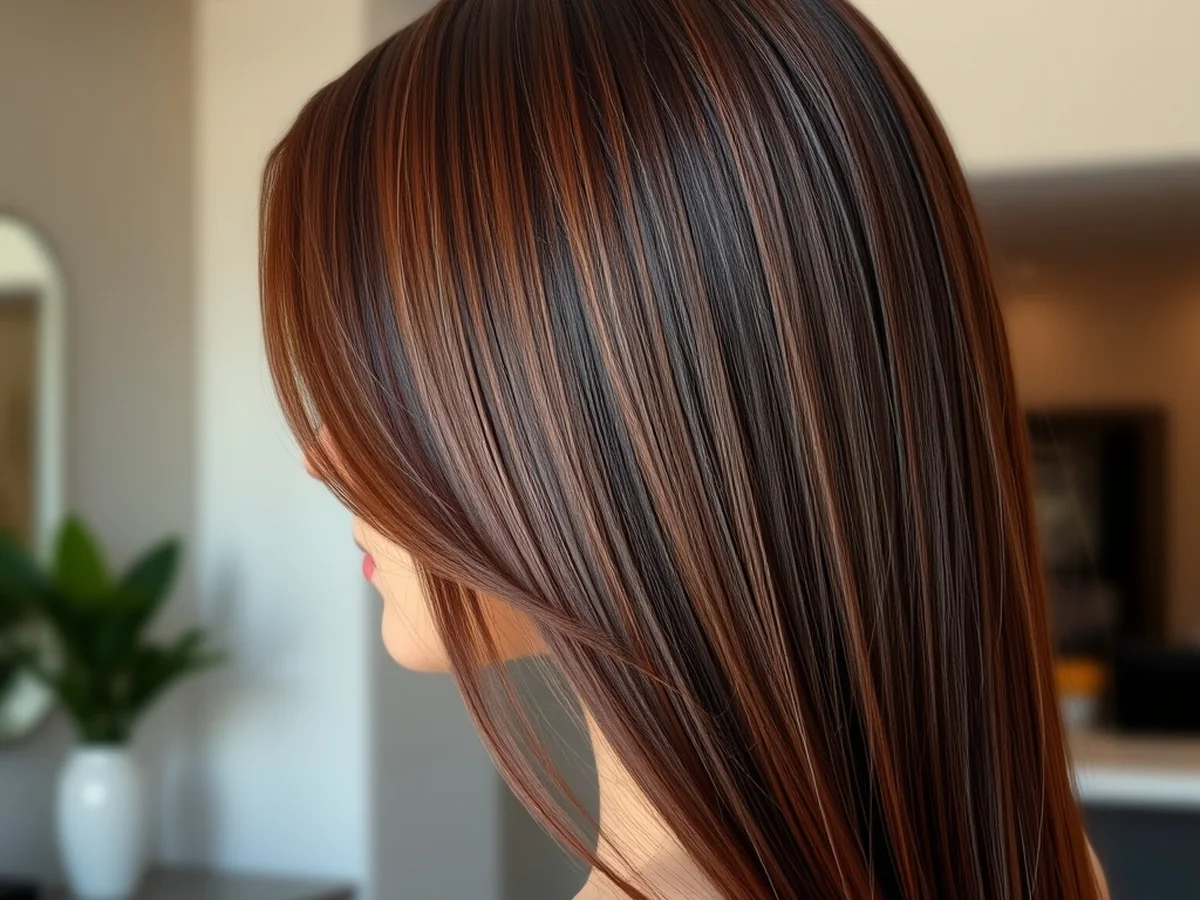
You probably notice your chestnut hair color losing that initial spark after just a few washes. This happens because the red pigment is larger than other color molecules and escapes the hair cuticle faster. Applying a clear top coat or a professional color gloss every 6 weeks is the best way to lock in that mirror-like shine. This treatment doesn’t add pigment but seals the outer layer of your hair so it catches the light better. I’ve found that using a color-safe shampoo keeps the finish looking fresh for at least 30 washes. By smoothing down the hair surface, you help the natural sunlight reflection pop against those warm red undertones, making your hair look healthy and expensive.
Chestnut Root Smudging
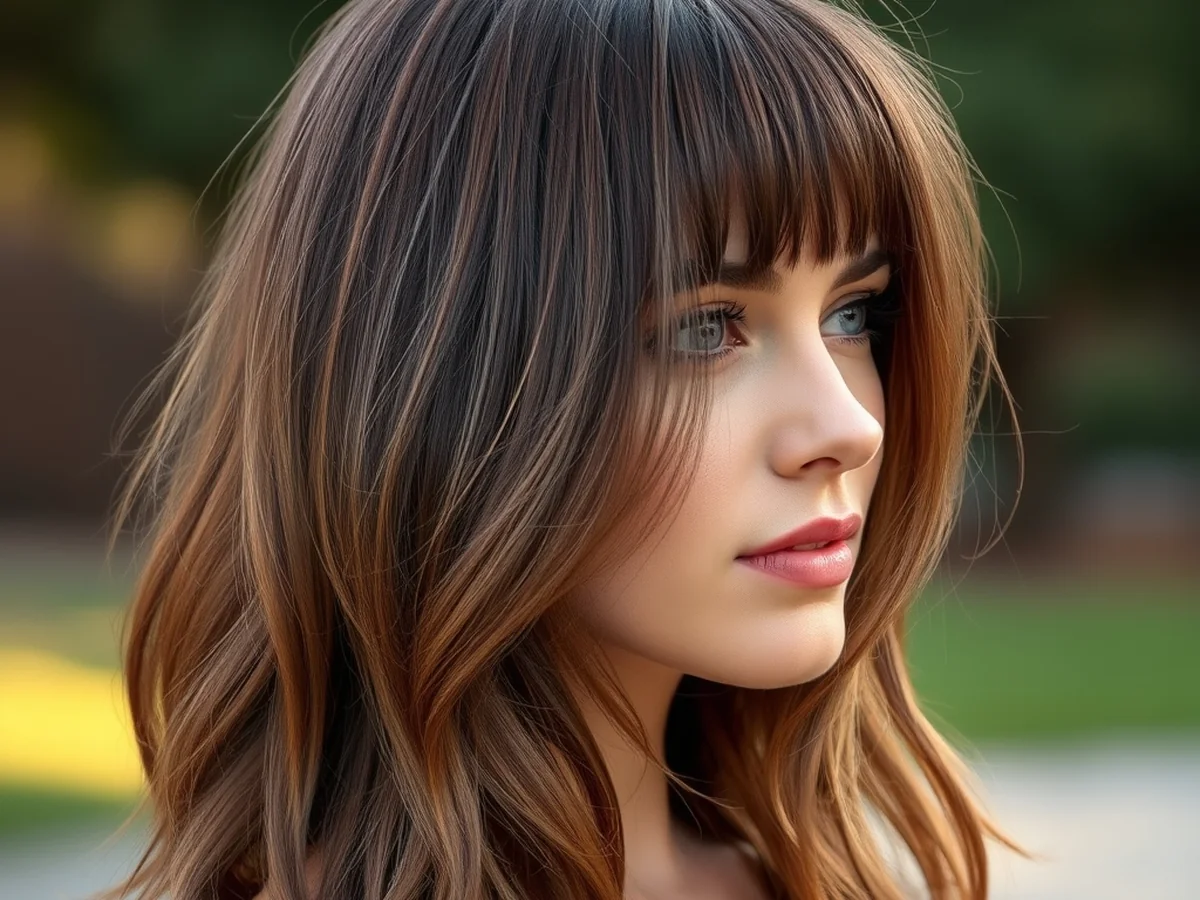
Do you want to avoid that obvious regrowth line when wearing a chestnut hair color? Root smudging is a professional technique that softens the transition between your natural base and the dyed lengths. By applying a demi-permanent shade to the first 2 inches of hair, you blur the boundary where your natural color meets the richer tones. This method works perfectly for those who want low maintenance brunette colors that grow out gracefully without a harsh contrast. The process helps the warm brunette hair with red undertones look intentional and lived-in rather than freshly painted. It minimizes the need for frequent salon visits while keeping your color looking polished, vibrant, and soft under natural light.
Rich Chestnut Brunette
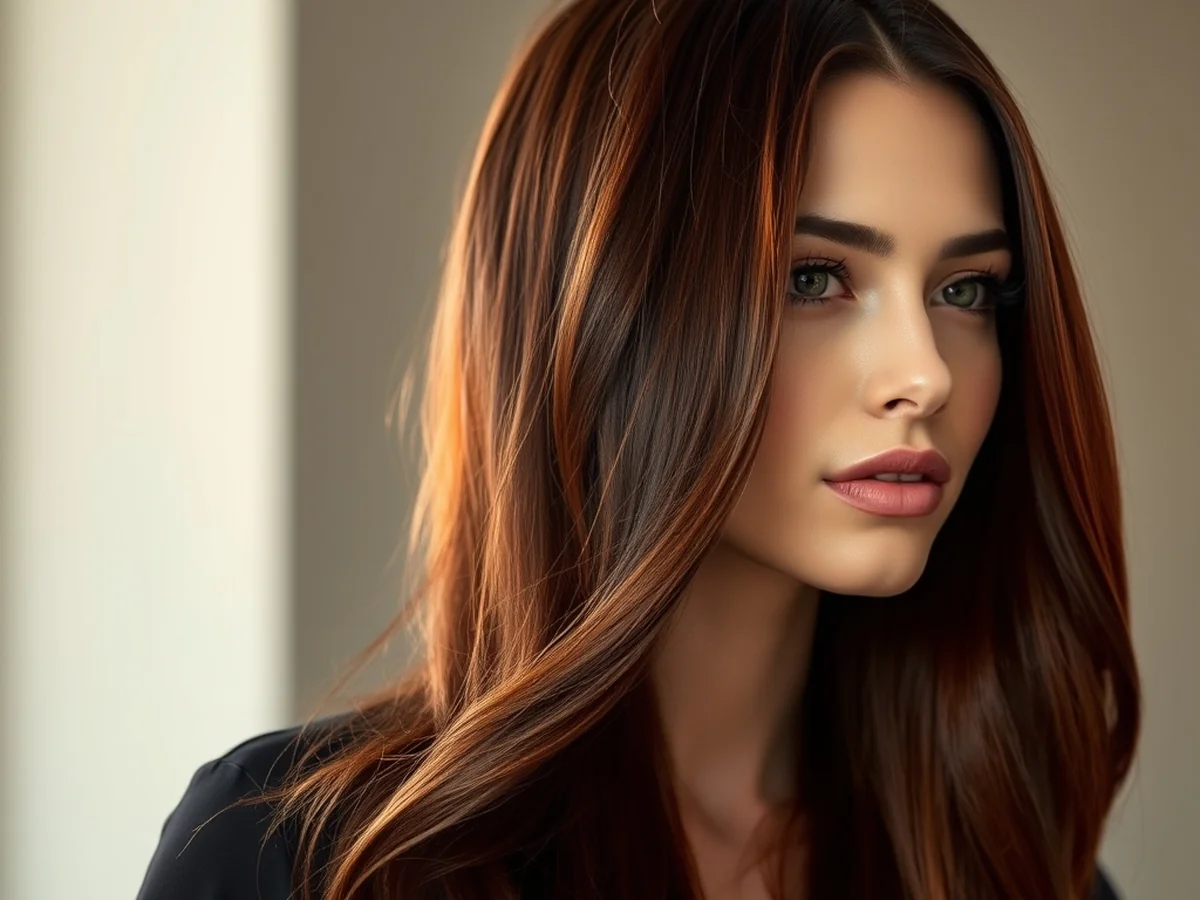
Many people believe you need harsh bleach to lighten dark locks, but you can actually achieve deep chestnut brown shades using only a high-lift permanent dye. You don’t need to strip your natural melanin to see a change. By choosing a formula with warm undertones, you deposit red pigment directly into the hair cuticle for an instant glow. This method keeps your strands strong while creating a chestnut hair color that looks expensive and healthy under direct sunlight reflection. If you have dark hair, start with a developer volume of 20 to gently lift your base by 2 levels. This approach avoids that muddy transition often caused by aggressive bleaching, keeping your color vibrant and rich for up to 6 weeks.
Cool Chestnut Shade
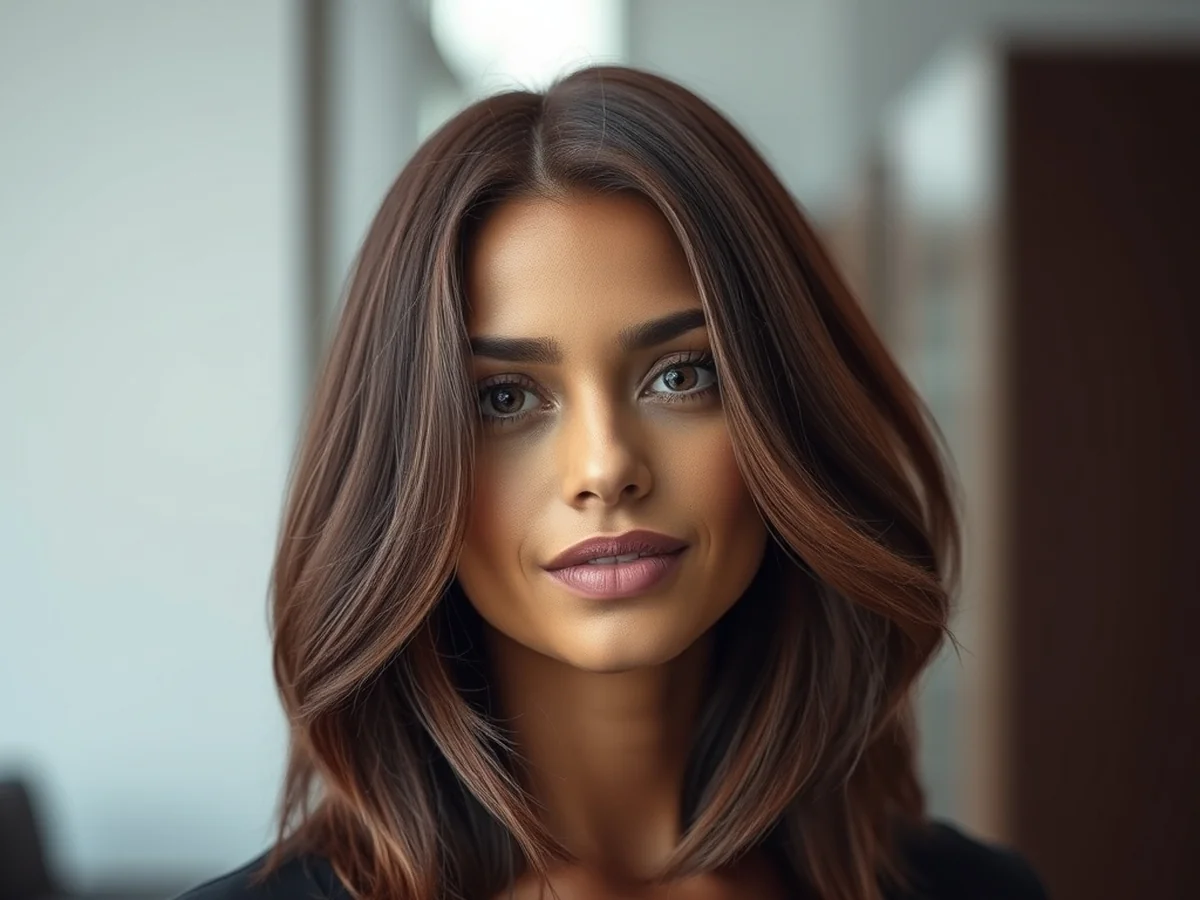
I have found that adding violet tones is the most effective way to wear a chestnut hair color if you have olive skin. While traditional chestnut leans warm, balancing the red pigment with cool violet creates a sophisticated finish that prevents your skin from looking washed out. This specific mix works because it neutralizes the natural green or yellow undertones found in olive complexions. I usually recommend asking your colorist for a cool-toned brunette base to ensure the shade remains polished rather than brassy. You should expect to spend around $80 for a high-quality color gloss treatment every six weeks to maintain this depth. It creates a stunning, moody effect that shines beautifully even without bright highlights.
Chestnut Ombre Style
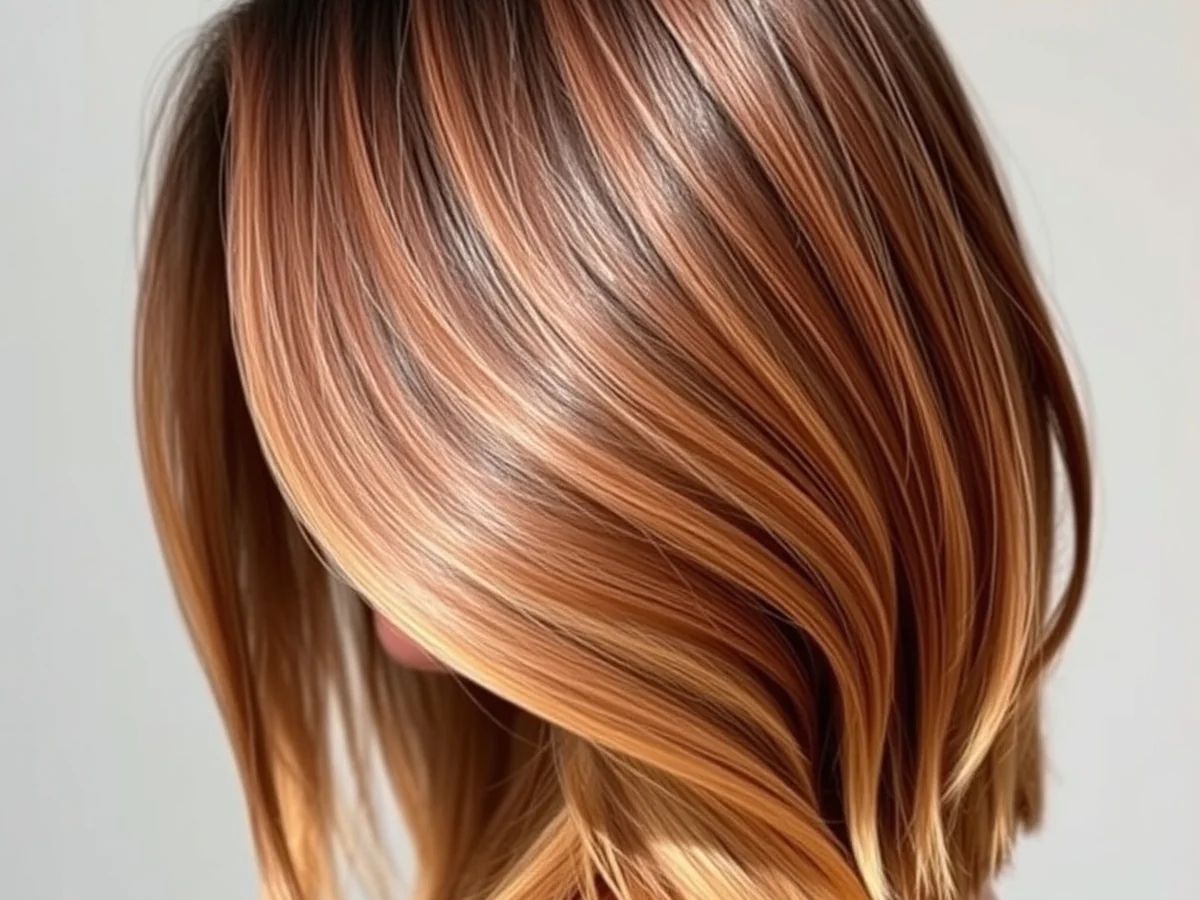
Start your transition by keeping your roots natural to avoid harsh grow out lines. This chestnut hair color technique relies on a smooth gradient that shifts from deep, dark roots into lighter, honey-toned ends. By using a balayage application, your stylist can paint the color to catch the sunlight reflection perfectly. I find that this style works best when you leave about 4 inches of your natural base color at the crown. This preserves the health of your hair cuticle while adding brightness around your face. Because this look involves warm brunette hair with red undertones, you should use a color-safe shampoo every 3 days to keep the red pigment from fading into a dull, brassy mess.
Chestnut Face Framing
As the autumn air turns crisp, chestnut hair color acts as a perfect natural highlighter for your facial features. Placing lighter pieces near your eyes draws immediate attention to your natural iris color and creates a softer transition between your hair and skin. I find that focusing golden chestnut hair highlights exactly two inches from your hairline works best to brighten your overall complexion. This technique uses sunlight reflection to make your skin appear radiant rather than washed out. When your stylist adds these lighter tones, they mimic the way the sun naturally kisses your hair. It is a simple way to wear a warm brunette hair with red undertones style without the commitment of a full head of highlights.
Chestnut With Auburn
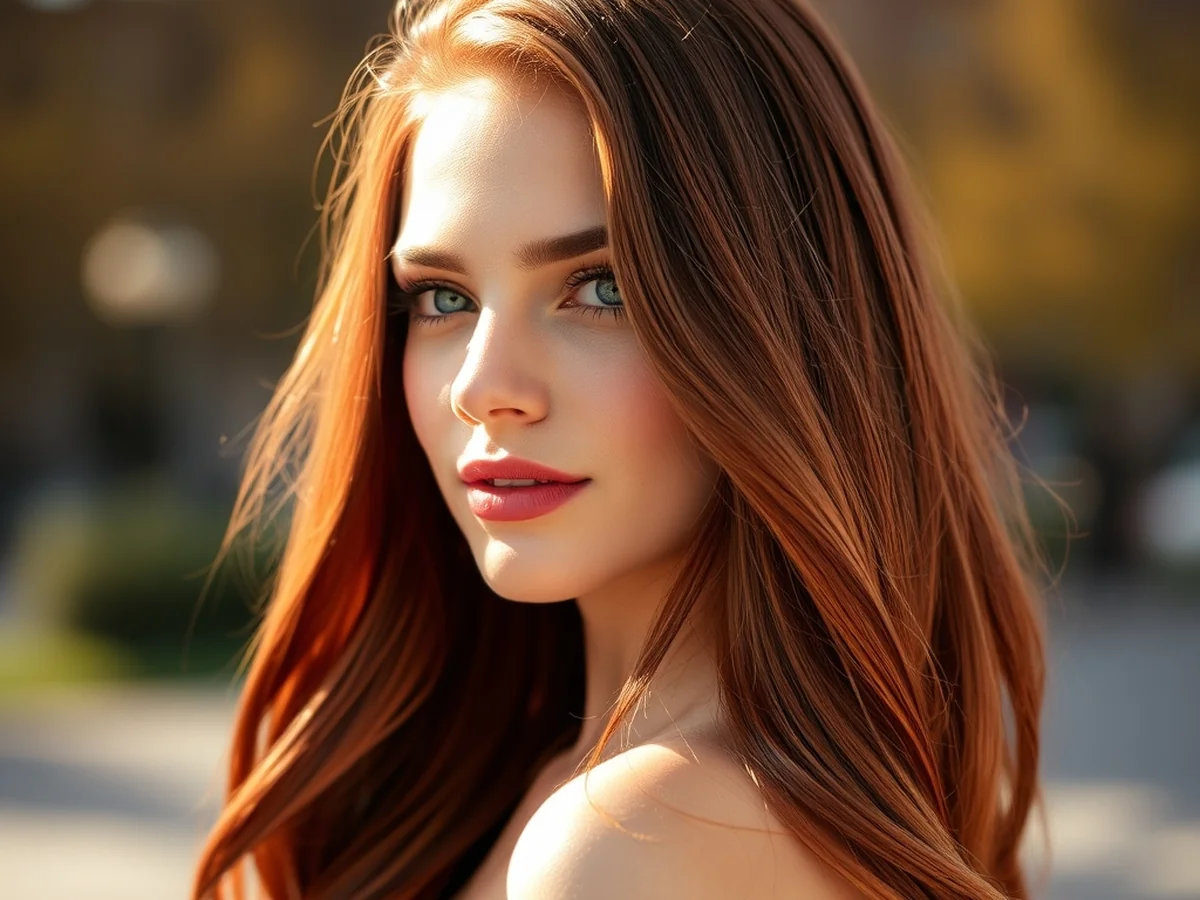
Expecting to pay around $150 at a professional salon for this custom blend is a common reality compared to $15 for a box kit. Adding auburn to a chestnut hair color base creates an intense, sophisticated autumn look that catches the light beautifully. By weaving in red pigment, you give your hair a multidimensional glow that standard brown shades lack. This combination works well because the red undertones complement the natural warmth found in your skin. I have noticed that this specific mix requires a color-safe shampoo to prevent the vibrant tones from washing out too quickly. You can easily maintain this intensity by scheduling a color gloss treatment every 6 weeks to keep the shade looking fresh and glossy.
Muted Chestnut Brown
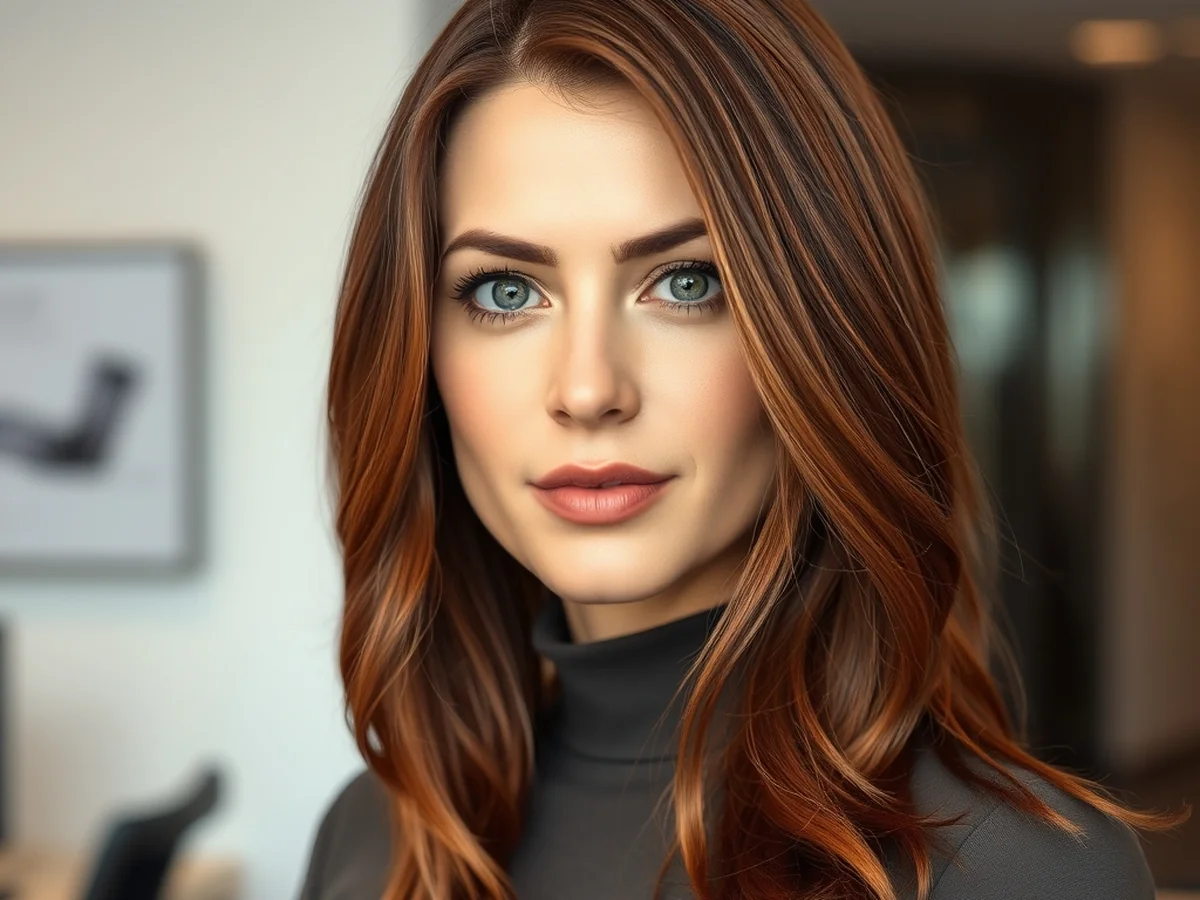
You only need to reduce the red pigment by 20 percent to shift a bold look into a sophisticated, wearable shade. This muted chestnut hair color relies on neutral bases to calm down typical warmth, making it a professional and subtle choice for any workplace. By lowering the saturation of red, you gain a color that feels earthy rather than fiery. It is an excellent middle ground if you want warm brunette hair with red undertones without the intense vibrancy of a copper finish. Because this shade sits closer to a neutral brown, it reflects less light as a harsh orange and more as a soft, matte glow. It works best on those who want a polished appearance that grows out gracefully.


REVLON One-Step Volumizer Plus
A convenient pick for adding volume and smoothing hair during at-home blowouts.
Check Price on AmazonAs an Amazon Associate, Lady Lana Beauty earns from qualifying purchases.
Chestnut On Curls
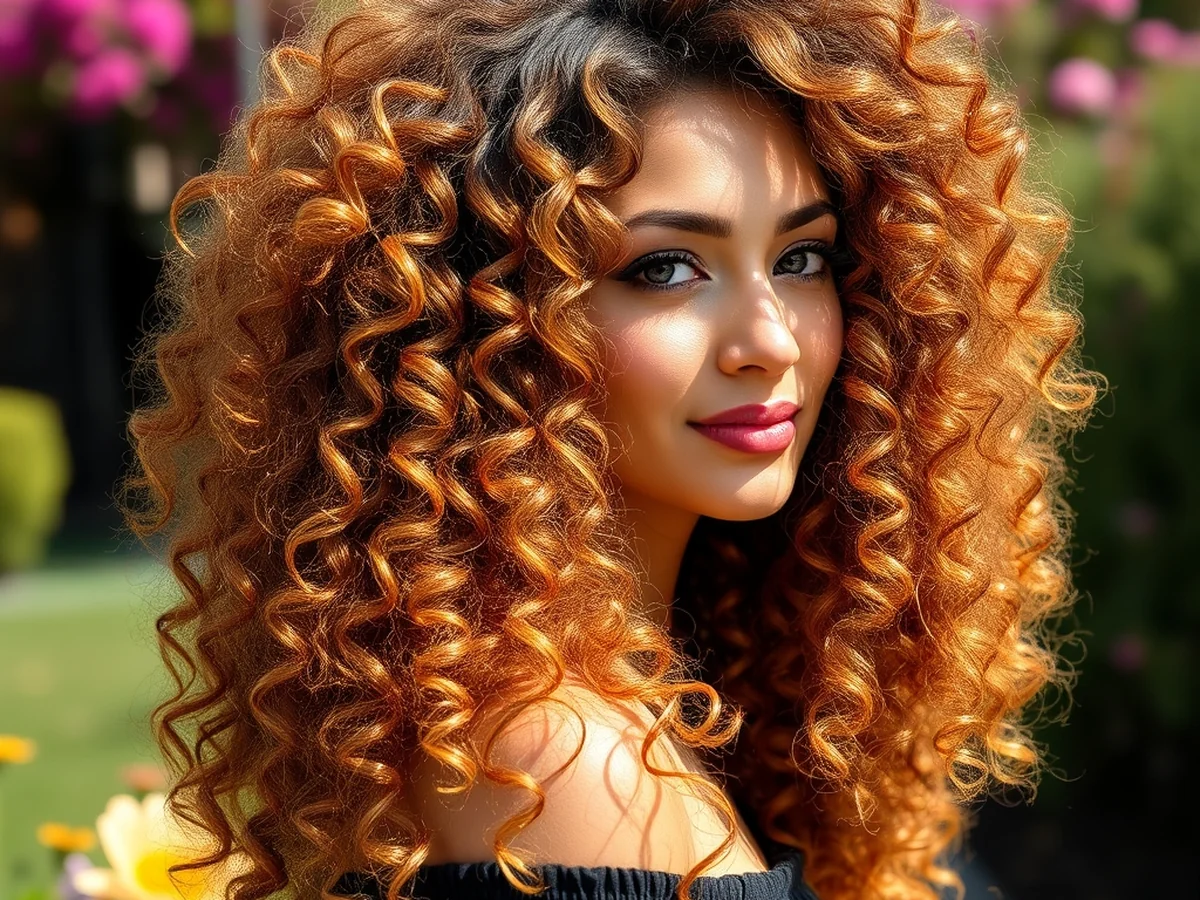
Curly hair acts like a prism, making chestnut hair color the perfect choice to display depth and movement. Because curls have natural curves and ridges, they catch light differently than straight strands. I have noticed that adding golden chestnut hair highlights creates a multi-dimensional effect that prevents dark colors from looking flat or heavy. The light hits the bends of your curls, which draws attention to their spiral pattern and keeps the look bouncy.
For the best results, use a color-safe shampoo to keep those warm red undertones from washing out. If you have tight ringlets, start with honey chestnut balayage applied 2 inches from your roots to keep the maintenance easy and avoid harsh grow-out lines.
Chestnut On Straight Hair
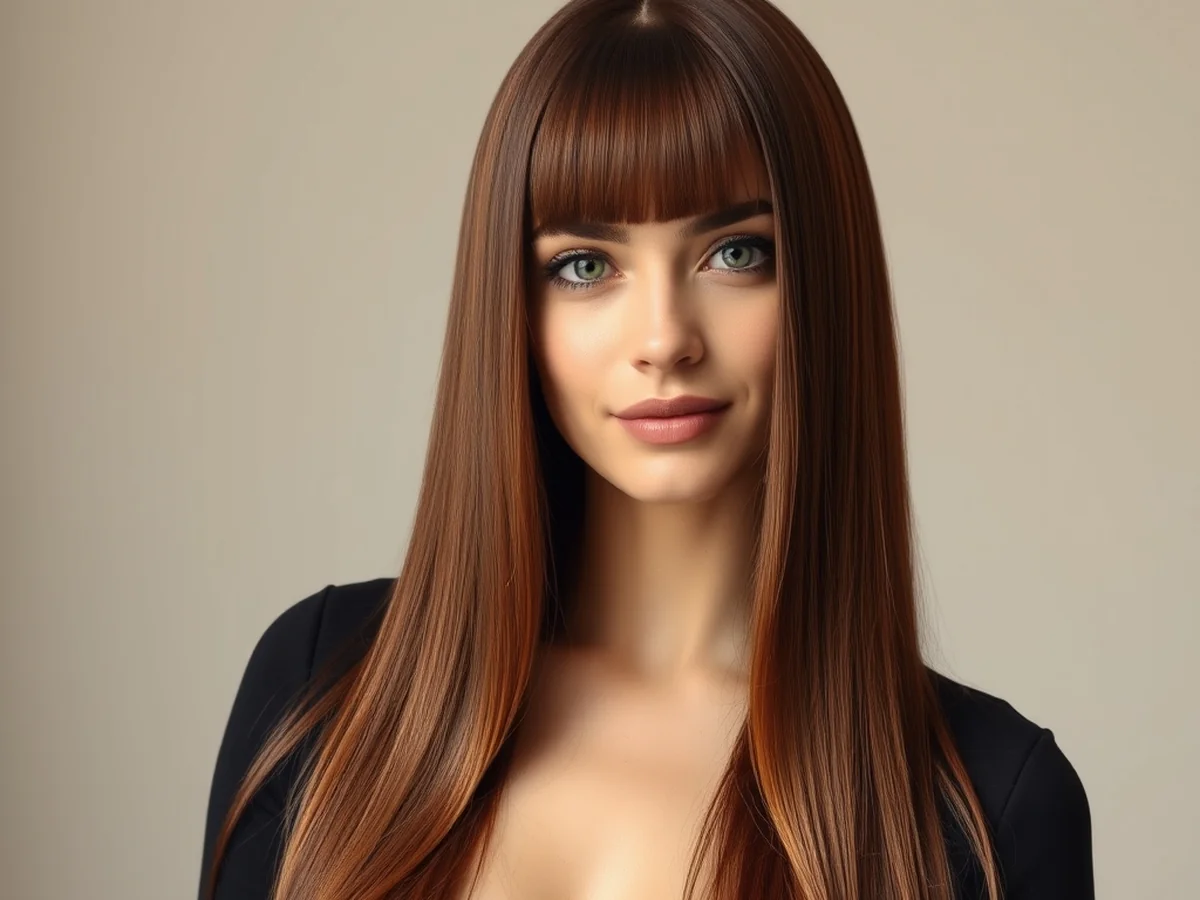
Do you want your hair to look thicker and more alive? A chestnut hair color works wonders on straight strands because the smooth surface acts like a mirror for light. While straight hair sometimes falls flat, adding warm brunette hair with red undertones creates the illusion of depth that your hair lacks on its own.
When light hits a straight cuticle, it bounces off to reveal the subtle golden hues hidden in the shade. To keep this sunlight reflection looking sharp, I suggest booking a salon appointment every 8 weeks for a fresh color gloss. This treatment seals the hair shaft and keeps the red pigment from turning dull. If you have thin hair, adding just 10 thin highlights of a lighter tone will make your mane look twice as dense.
Covering Gray Strands
Many assume you need a flat black shade to hide grays, but chestnut hair color actually offers better dimension on silver roots. Using a permanent dye is the most effective way to anchor pigment into resistant gray follicles. Because grays lack natural melanin, they often appear lighter than the rest of your hair when colored. Picking a rich deep chestnut brown shade fills these gaps with warm red undertones that look intentional rather than harsh. To keep your color from washing out, use a color-safe shampoo every 3 days. This small shift prevents the red pigment from fading into a dull orange. Investing roughly $25 in a professional-grade gloss treatment every six weeks keeps the golden hues looking fresh and vibrant.
Chestnut Base Melt
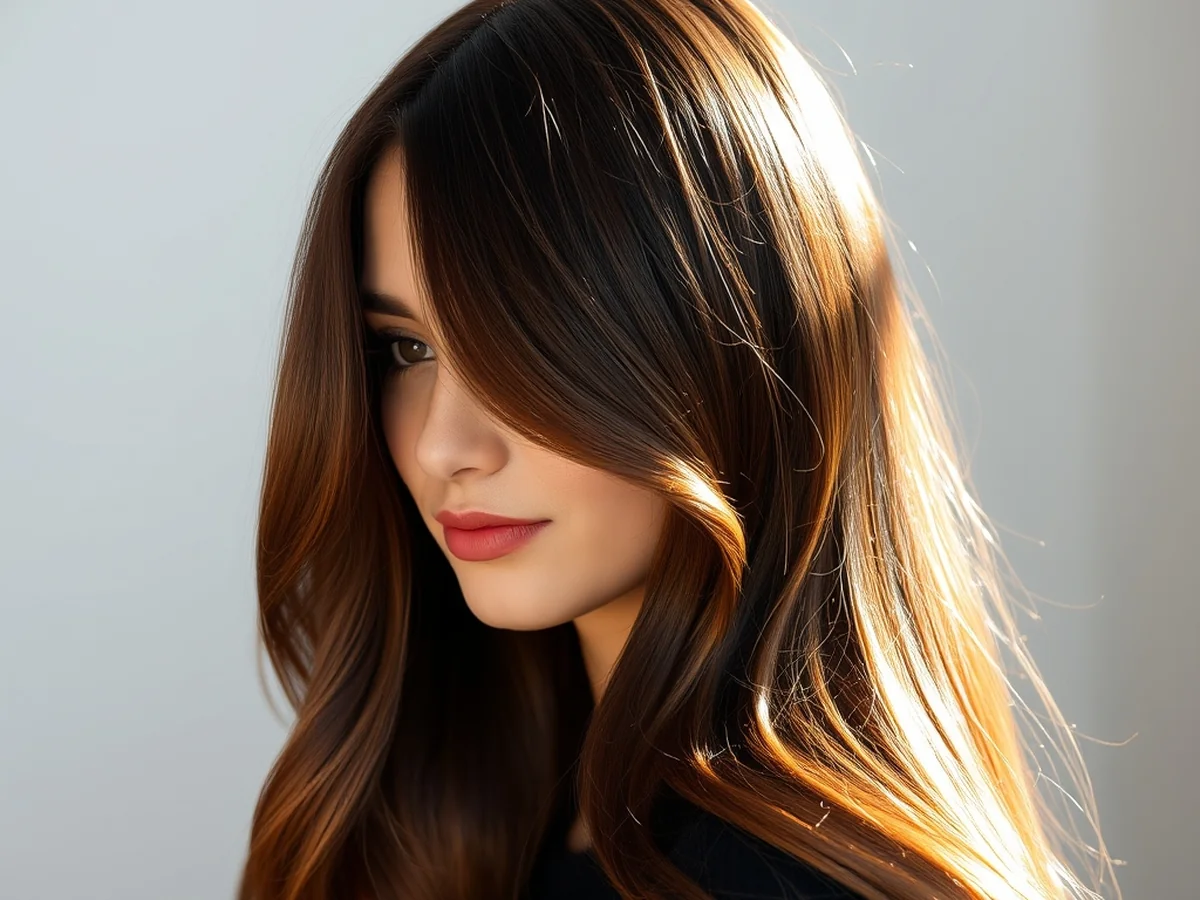
I love how a base melt softens the transition from dark roots to lighter ends. To create this chestnut hair color look, your stylist blends deep brown tones at the root into lighter mahogany shades toward the mid-lengths. This technique mimics the way hair lightens naturally in the sun, avoiding harsh lines of demarcation. By using root smudging with a demi-permanent formula, you allow the color to grow out gracefully for up to 12 weeks between salon visits. You should ask for at least 3 distinct shades of brown to ensure a seamless flow. Since red pigment fades faster than neutral tones, I always suggest using a color-safe shampoo to keep those warm golden hues vibrant and shiny until your next appointment.
Chestnut Winter Tones
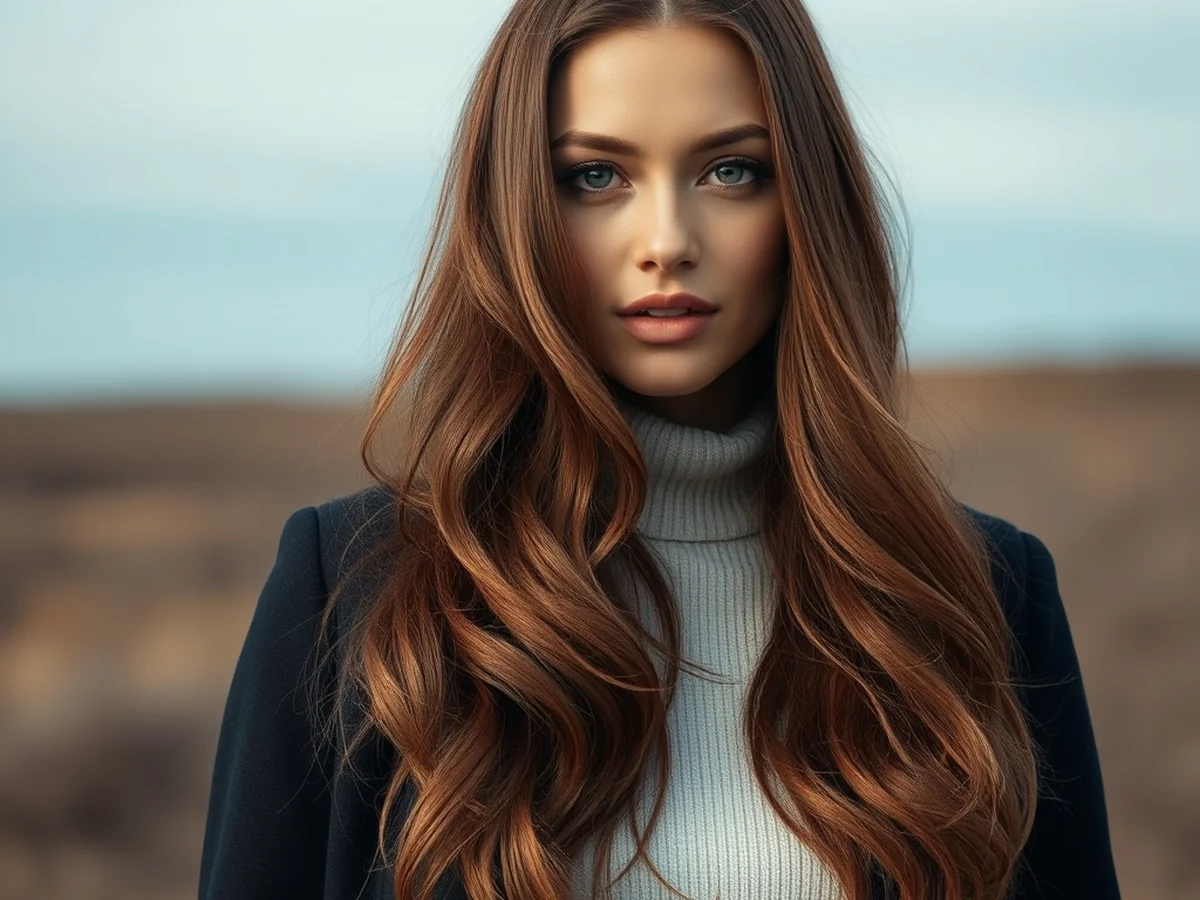
Mix a cool-toned ash brown into your chestnut hair color to neutralize unwanted warmth during the winter months. Adding a touch of ash pigment helps counteract the natural sunlight reflection that usually brings out intense golden hues, making the hair appear more sophisticated and muted for colder weather.
I find that applying a color gloss every 6 weeks is the best way to maintain this depth without damaging your hair cuticle. If you want to move away from bright red tones, ask your colorist for a demi-permanent formula with a blue or green base. This simple adjustment shifts the tone towards a deep chestnut brown shade that looks intentional and polished under low winter light.
Chestnut Summer Hues
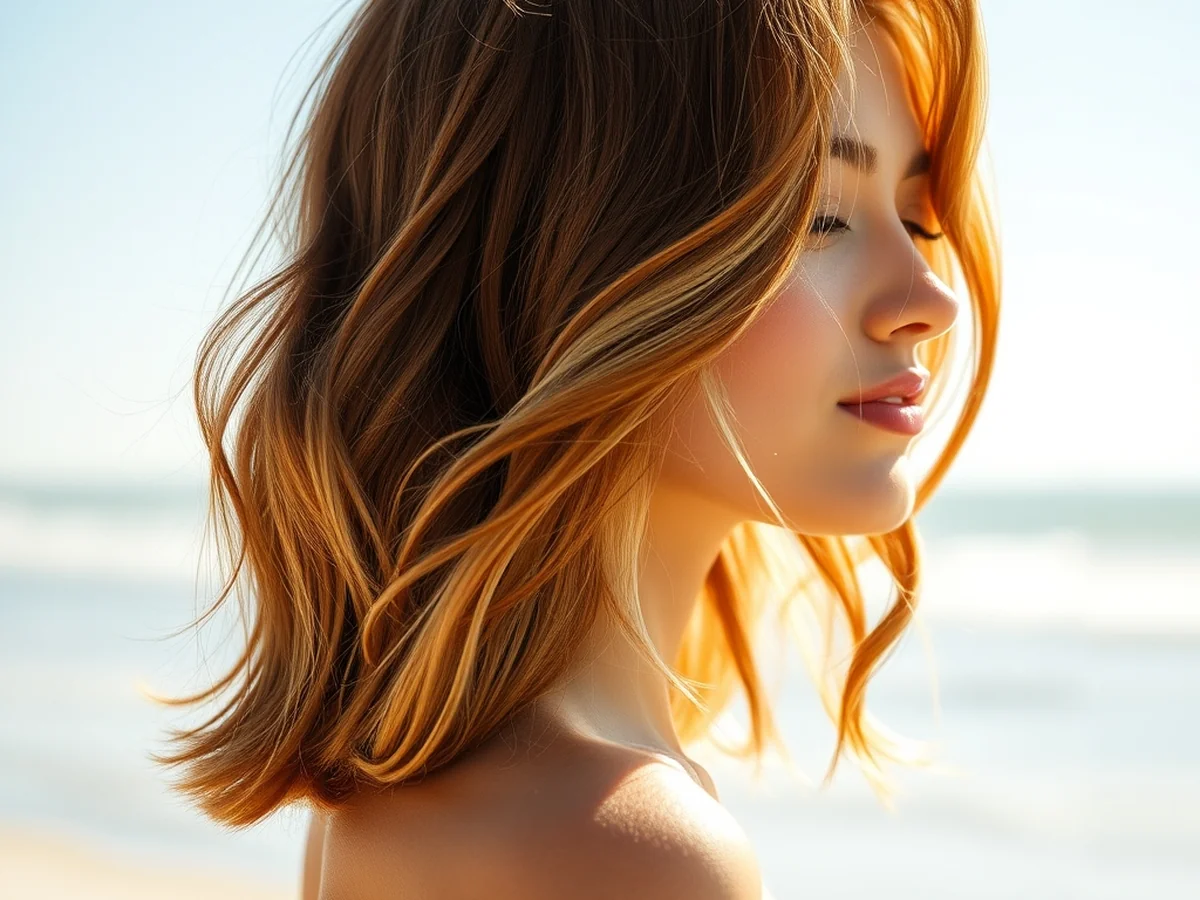
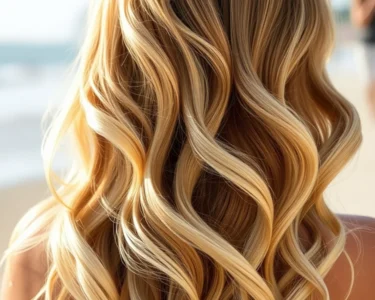
Summer sunlight brings out the natural glow of a chestnut hair color by catching the gold pigments in every strand. To get that sun-kissed effect, ask your stylist to add golden chestnut hair highlights throughout your mid-lengths and ends. These lighter pieces reflect light differently than the rest of your hair, giving you a bright look without needing a full-head bleach job. I suggest using a color gloss treatment every 6 weeks to keep those warm tones from turning flat or dull. If you prefer a soft transition, a subtle honey chestnut balayage placement works wonders. It keeps your roots natural while brightening your face for the warmer months. This technique looks best when the highlights are just two shades lighter than your base.
Glossy Chestnut Glaze
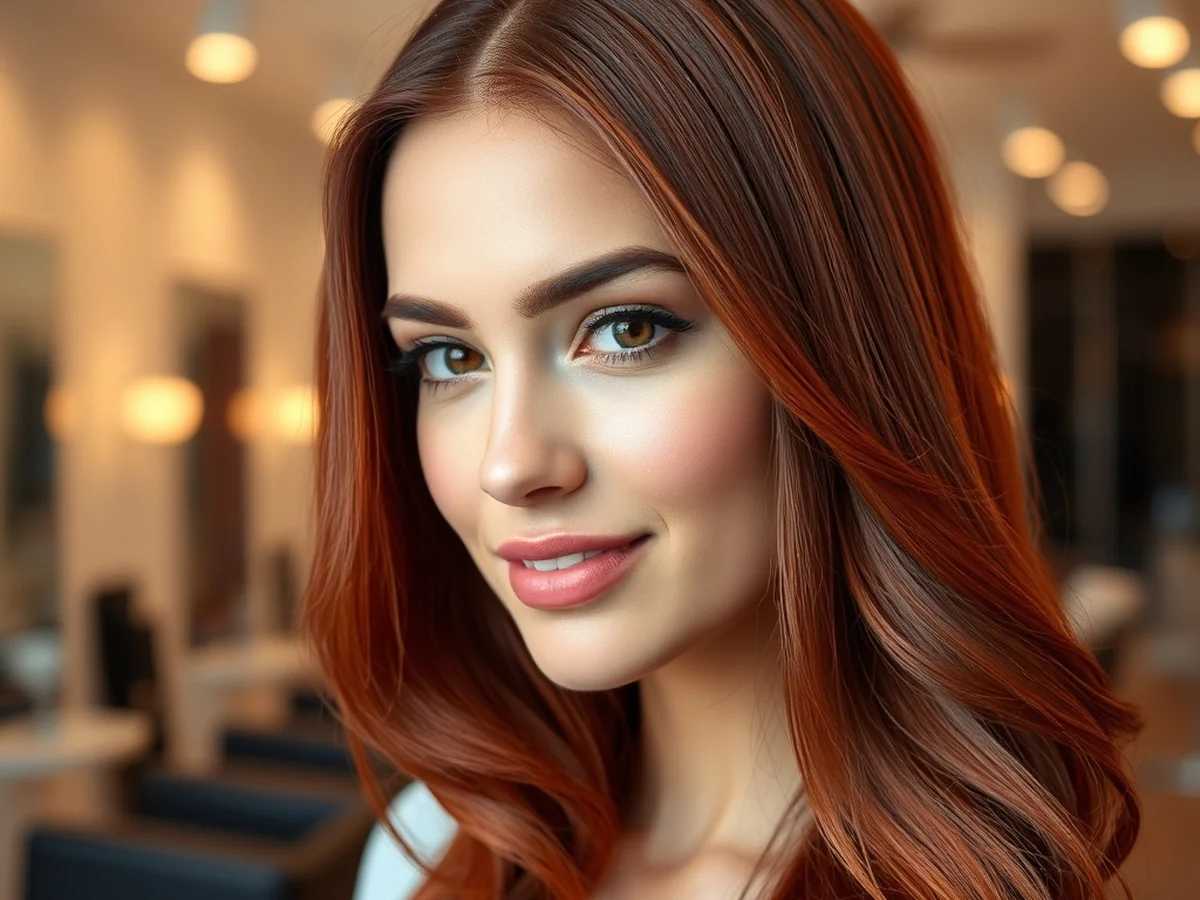
A salon-grade gloss treatment costs about $70, whereas a high-quality at-home version is roughly $15. To keep your chestnut hair color looking expensive, you need to manage the red pigment that naturally washes out faster than other tones. Using a color-safe shampoo designed specifically for red or warm brunette hair helps lock in those rich golden hues between appointments. These formulas deposit a tiny amount of pigment with every wash to reinforce your shade.
- Apply a toning shampoo once a week to prevent the color from appearing flat or muddy.
- Rinse with cool water to seal the hair cuticle, which significantly boosts sunlight reflection and keeps your deep chestnut brown shades vibrant and shiny for weeks.
Soft Chestnut Highlights
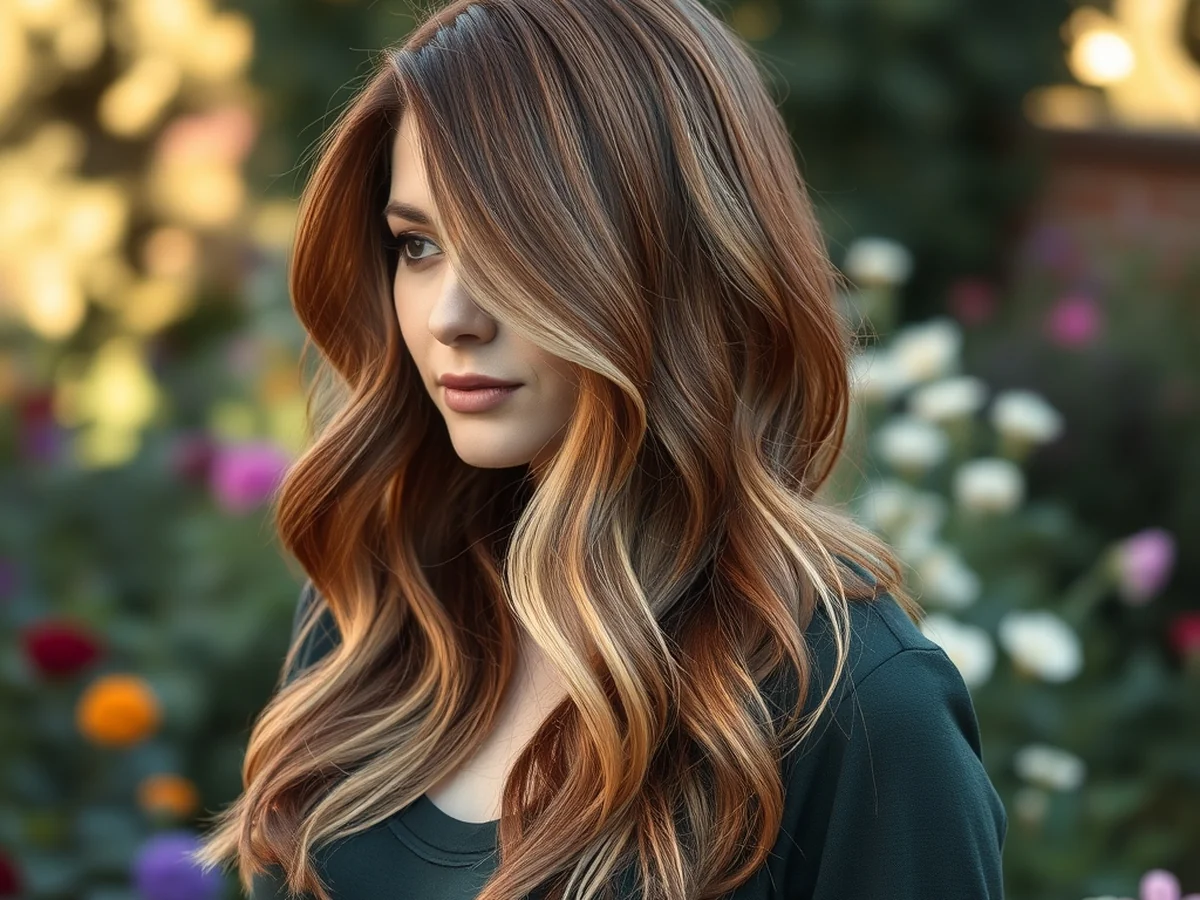
Over 70 percent of home coloring mishaps happen because people ignore the underlying melanin in their natural strands. Adding soft chestnut hair color highlights is the best way to introduce dimension without a full-head commitment. When choosing a box dye, look for labels that specify warm or golden undertones to ensure the color complements your skin. If you have cool undertones, stay away from kits labeled as ash or neutral to avoid a muddy, greenish finish. I suggest using a permanent dye kit that costs around $15, but always perform a strand test first. This helps you see how the red pigment reacts with your hair cuticle before you apply it to your entire head.
For another perspective, this detailed piece on Chestnut Brown Hair Color is worth a read.
FAQ
Which skin tones suit chestnut hair?
This shade works best for people with warm undertones because of its golden and reddish base. If your skin has yellow or olive hints, a rich chestnut hair color will make your complexion glow. People with cool, pinkish skin should avoid intense red pigments, as these can make the face look flushed.
How does chestnut differ from auburn?
Auburn is much heavier on the red pigment, while chestnut is a balanced mix of brown and red. Think of chestnut as a grounded brunette shade that catches the light, whereas auburn leans closer to a true copper or fire-engine tone. You get the depth of a dark brown with the warmth of a sunset.
Does this color fade quickly?
Because red molecules are larger than other pigments, they tend to leave the hair cuticle faster. You should expect to refresh your gloss every 6 weeks to keep the vibrancy alive. Using a color-safe shampoo specifically formulated for warm brunettes helps prevent the shade from turning dull or brassy over time.
Can I get this look without bleach?
Yes, you can achieve a beautiful result on dark hair using a permanent dye that lifts and deposits in one step. If your starting level is dark brown, a professional colorist can usually reach a chestnut shade without needing to strip your hair first. It keeps your hair much healthier than a double-process service.
Is chestnut a low-maintenance choice?
It is very manageable if you opt for a technique like root smudging to blend your natural growth. You can easily go 3 months between salon visits if you keep your roots dark and focus the lighter chestnut tones on your mid-lengths and ends.
You might also like: 22 Textured Bob Haircut Ideas For A Modern Style
Key Takeaways
Are you ready to find the perfect chestnut hair color for your specific skin tone and lifestyle?
- Identify your undertones to see if your skin leans warm, as this shade relies on red and golden pigments to pop.
- Select your depth by choosing between light chestnut brown hair or deep chestnut brown shades based on your natural base color.
- Maintain the vibrancy by using a sulfate-free color-safe shampoo at least 3 times a week to prevent the red pigment from washing out.
- Add dimension with subtle honey chestnut balayage or golden chestnut hair highlights to help reflect sunlight and create movement.
- Schedule professional glosses every 6 weeks to keep your hair cuticle sealed and your color looking fresh rather than dull.
Save this guide to your Pinterest board to keep these styling tips handy for your next salon visit.